Locked Out at Launch: Timed-Exclusive DLC Is Back in 2026 and It's Uglier Than Ever
Locked Out at Launch: Timed-Exclusive DLC Is Back in 2026 and It's Uglier Than Ever
Remember the PlayStation-exclusive Destiny strikes? The Xbox-locked Batman: Arkham content? The era of platform-gated DLC that had gamers on the "wrong" console sitting out entire chunks of games they'd paid full price for? That era never fully ended — it just got quieter for a while. In 2026, it's loud again.
Across this year's biggest multiplatform releases, timed-exclusive content deals between publishers and platform holders have made a significant comeback. We're not talking about minor cosmetic trinkets. We're talking story missions, playable characters, early-access bonuses, and weapon bundles that PlayStation, Xbox, or Nintendo players have had to wait 30, 60, or in some cases 90 days to access — content their counterparts on rival platforms got on day one.
The question worth asking: are these deals actually doing what platform holders are paying for? And is the fan resentment they generate starting to outweigh whatever commercial benefit they provide?
What's Actually Locked and for How Long
The 2026 timed-exclusive content landscape is a patchwork of deals that vary wildly in scope and duration. On the PlayStation side, several major third-party titles launched with exclusive story content — in at least two cases, full missions with unique cutscenes and narrative beats — that Xbox and PC players couldn't access until 30 days post-launch. Nintendo Switch 2 players, in a handful of cases, got exclusive cosmetic bundles tied to Nintendo IP crossovers that other platform owners are still waiting on.
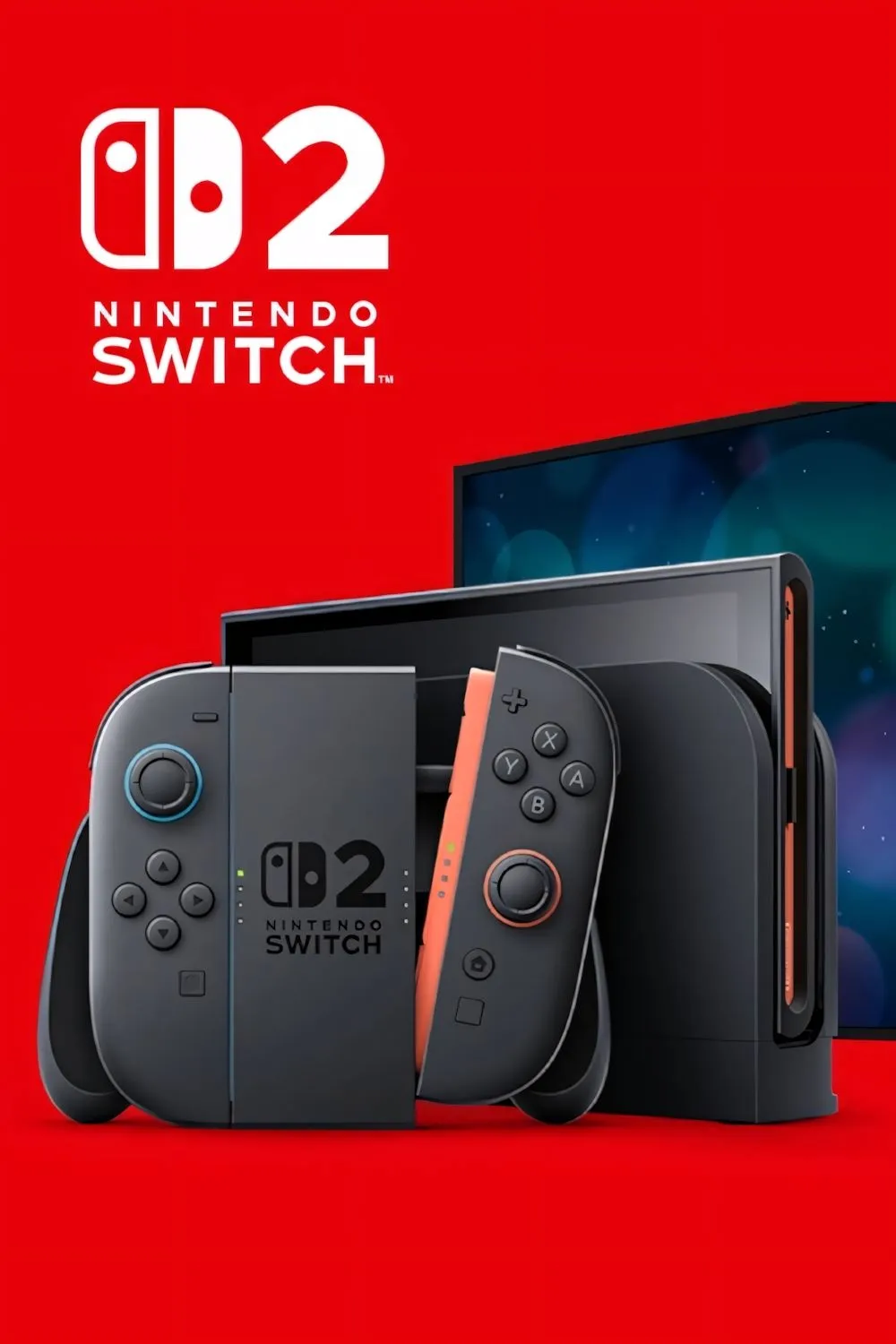 Photo: Nintendo Switch 2, via static0.gamerantimages.com
Xbox, for its part, secured early-access windows for certain Game Pass titles and locked in exclusive in-game cosmetic packs for a couple of high-profile multiplatform releases — though the scope of Microsoft's timed content deals in 2026 appears smaller than PlayStation's, possibly reflecting a broader strategic shift toward subscription value over exclusive content gating.
The durations vary, but 30 days has become something of an industry standard for the shorter deals, with 60 and 90 days reserved for more significant content drops. In at least one case, a platform-exclusive character skin pack was announced at launch with no confirmed end date for the exclusivity window — which, in practice, can mean it never arrives elsewhere at all.
Do These Deals Actually Sell Consoles?
This is the central question platform holders have been asking themselves for years, and the honest answer in 2026 is: probably not as much as they used to.
The argument for timed-exclusive DLC has always been that it gives consumers a tangible reason to choose one platform over another at the point of purchase. If the version of a game you can play on PlayStation has more content on day one, that's a differentiator — especially for a consumer who's on the fence between platforms.
But that argument assumes a consumer who hasn't already committed to a platform. In a market where the average gamer owns one console and isn't actively shopping for a second, exclusive DLC doesn't drive hardware sales — it just irritates the people who already bought the game on a different box. The tipping-point buyer who's choosing between a PS5 and an Xbox Series X based on which one has an extra story mission in a third-party game is, at this point, a vanishingly rare consumer.
What these deals do generate is coverage. The announcement of a timed-exclusive content partnership produces gaming news stories, social media discussion, and platform brand association — even if the commercial uplift in console sales is hard to measure. For platform holders, that visibility may be worth the licensing fee regardless of whether it moves hardware.
The Community Is Not Having It
That calculation looks different from the consumer side. Gaming communities in 2026 have become notably more vocal about timed-exclusive content than they were a decade ago, and the sentiment skews heavily negative across all platforms — including the ones benefiting from the deals.
On Reddit, Discord, and across social media, the response to timed-exclusive DLC announcements this year has followed a consistent pattern: initial outrage from the locked-out platform, followed by muted enthusiasm even from the platform that has the content. "I don't really care about the exclusive mission, I just think it's a bad practice" is a comment you'll find in PlayStation threads about content Xbox players can't access yet — and the same sentiment appears in reverse. Players have internalized that what's being done to the other platform could just as easily be done to them next time.
There's also a growing awareness that timed-exclusive content creates a fragmented experience for a game's community. When half your playerbase hasn't played the exclusive mission yet, it affects how freely people can discuss the game online, what streamers can cover without spoilers, and how unified the launch conversation feels. For games that depend on community momentum — and in 2026, almost every major release does — that fragmentation has a real cost.
The Publishers Caught in the Middle
It's worth noting that the studios making these games are rarely the enthusiastic architects of timed-exclusive deals. Platform money is genuinely significant — these aren't trivial licensing fees — and for mid-tier publishers operating on tighter margins, a platform exclusivity payment can be the difference between a game getting made and a game getting canceled. That context doesn't make the deals better for consumers, but it does complicate the narrative of pure publisher greed.
What it does suggest is that the responsibility for reforming this practice sits primarily with platform holders, not studios. If Sony, Microsoft, and Nintendo collectively decided tomorrow that they wouldn't pursue timed-exclusive content deals for third-party multiplatform titles, studios would have one fewer revenue lever — but consumers on every platform would have a better experience at launch.
Is an Industry Reckoning Coming?
There have been periodic calls for platform holders to walk away from timed-exclusive content deals over the years, and they've consistently gone nowhere. The practice persists because it works well enough for the parties writing the checks, even if it works poorly for everyone else.
What's different in 2026 is the degree to which consumer trust has become a measurable asset — and a measurable liability. Publishers are increasingly aware that practices which generate resentment have downstream effects on franchise loyalty, review scores, and long-term sales. A game that launches with a controversial exclusivity deal attached doesn't just make players on the locked-out platform angry. It makes the whole launch feel political, transactional, and cynical at a moment when the game itself deserves to be celebrated.
Timed-exclusive DLC has never been about the players. In 2026, the players are making that clearer than ever — and at some point, the industry will have to decide whether the licensing fees are worth the goodwill they're burning through to collect them.