The Embargo Clock: Which Publishers Are Trusting Critics in 2026 — And Which Ones Are Still Stalling Until Launch Day

There's a piece of information that every smart game buyer should be paying attention to in 2026, and it has nothing to do with review scores. It's the timing of when those review scores are allowed to exist at all — and in a year when $79.99 has become the standard asking price for a major release, the gap between 'reviews live a week before launch' and 'reviews live at 12:01 AM on release day' is worth a lot more than most players realize.
Review embargoes — the contractual agreements between publishers and press outlets that dictate when critics can publish their assessments — have always been a feature of the games industry. But in 2026, with consumers increasingly treating late or launch-day embargoes as a de facto warning signal, the embargo clock has become one of the most scrutinized pieces of pre-release information in gaming. And the patterns, when you map them out across the year's biggest releases, are genuinely revealing.
How Embargoes Actually Work (And Why Publishers Use Them)
First, the basics, because there's a lot of misunderstanding about what embargoes are and aren't. Publishers send review code to press outlets in advance of launch — sometimes weeks early, sometimes days, sometimes hours. Alongside that code comes an embargo agreement: a date and time before which the outlet cannot publish its review. This is standard practice across entertainment industries. Movie studios do it. Book publishers do it. It's not inherently nefarious.
The legitimate reasons for embargoes include giving critics enough time to actually play and assess a complex game, preventing review score aggregation from dominating launch-day news cycles, and managing the timing of coverage to align with marketing windows. A publisher who sends code three weeks early and lifts the embargo five days before launch isn't trying to hide anything — they're managing logistics.
The problem is when the embargo window collapses. When code goes out late and the embargo lifts at launch, or worse, when the embargo lifts after launch, the calculus changes entirely. Now the publisher isn't managing timing — they're managing information. And the question every consumer should ask is: what information are they managing, and why?
The Trust Tier: Publishers Who Let Critics Talk Early
Looking at 2026's release calendar, a clear trust tier has emerged among major publishers. At the top sit the studios that have consistently sent review code early and lifted embargoes several days to a week before launch — a practice that signals genuine confidence in the product and respect for both critics and consumers.
id Software's approach to Doom: The Dark Ages, which launched in May 2026, was widely noted by the press community as a benchmark for how to handle review access. Code went out well in advance, the embargo lifted days before launch, and the resulting review cycle gave consumers meaningful time to make an informed purchase decision before release day. The game reviewed exceptionally well, of course — but the point is that id and Bethesda made that bet before they knew the scores would be strong. That's what genuine confidence looks like.
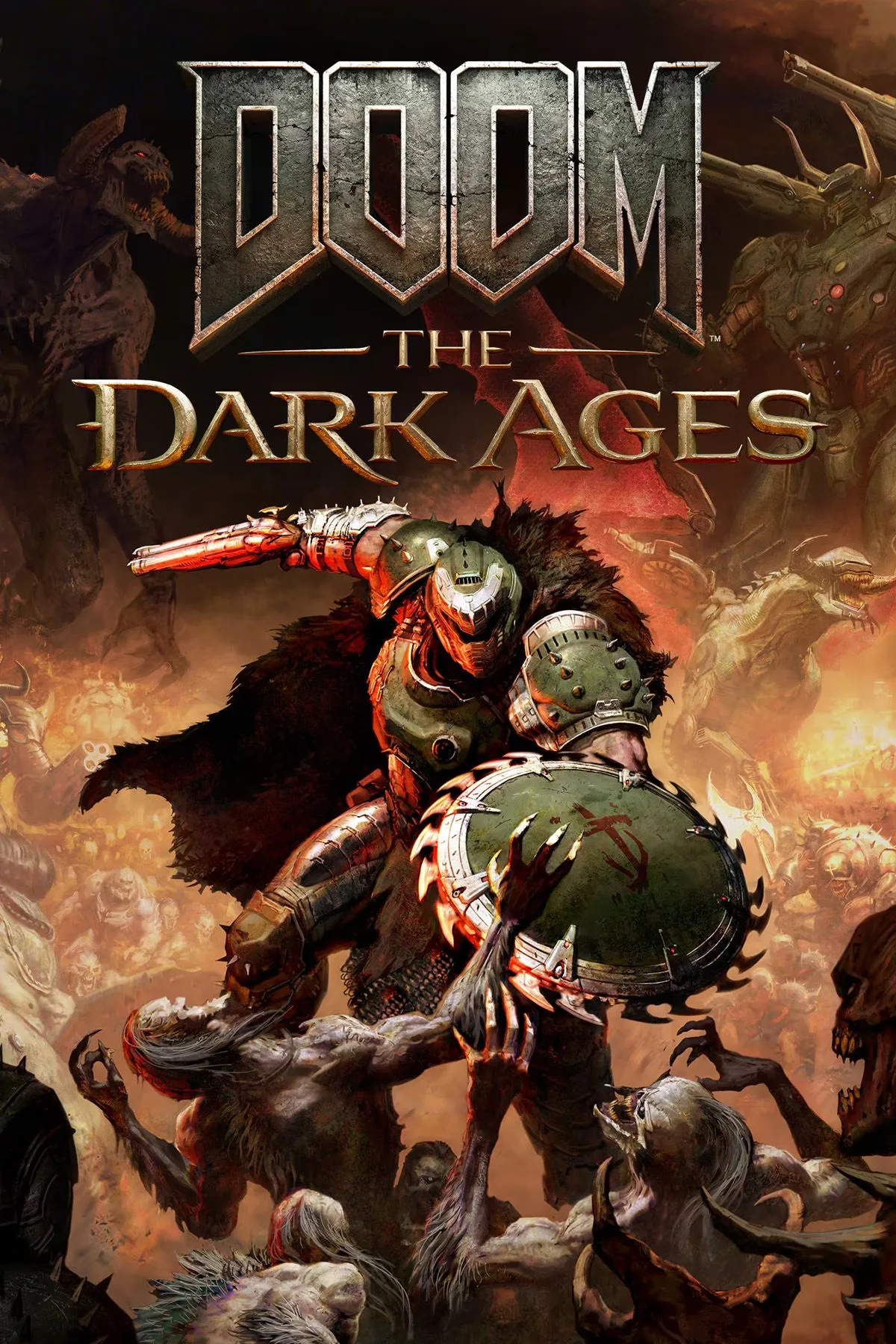 Photo: Doom: The Dark Ages, via static0.gamerantimages.com
 Photo: id Software, via techraptor.net
Similarly, several mid-tier and indie-adjacent publishers have operated with what amounts to informal embargo-free policies in 2026, sending code early and placing no restrictions on when coverage can run. This approach is increasingly common among studios that have built strong critical relationships and are confident enough in their work to let the conversation start organically.
The Yellow Zone: Launch-Day Embargoes and What They Signal
The murkier territory is the launch-day embargo — reviews going live at midnight or in the early hours of release day, timed precisely to coincide with when the game becomes purchasable. This is the industry's most common embargo structure, and it's worth being precise about what it does and doesn't mean.
A launch-day embargo is not automatically a red flag. There are legitimate logistical reasons why a game might not have code ready for critics until the final week of development — live-service titles with server-dependent features, games with substantial day-one patches that meaningfully change the experience, and titles with spoiler-sensitive narratives all have defensible reasons to compress the review window. Context matters enormously here.
What a launch-day embargo does do is remove the consumer's ability to make an informed purchase decision before spending money. If you're the kind of player who waits for a Metacritic score before buying — and in 2026, with $79.99 price tags, that's an increasingly rational behavior — a launch-day embargo means you're either buying blind or waiting. For a $79.99 game, waiting a day or two to read reviews is eminently sensible. But for publishers counting on day-one sales momentum to hit their quarterly targets, every day of delay in consumer purchasing is a real commercial cost.
The Red Zone: Post-Launch Embargoes and the Consumer's Right to Know
Post-launch embargoes — situations where reviews are not permitted to run until after a game has been available for purchase — are the most controversial and, frankly, the most indefensible practice in the modern review ecosystem. In 2026, these remain relatively rare for major releases, but they haven't disappeared.
The consumer advocacy argument against post-launch embargoes is straightforward: you are being asked to spend money on a product before any independent assessment of that product is legally allowed to exist in public. The publisher has made a deliberate decision to prevent you from having access to critical information at the moment of purchase. Whatever the stated logistical rationale, the practical effect is that your purchase decision is being made in an information vacuum that the publisher created intentionally.
Consumer response to post-launch embargoes in 2026 has been noticeably sharper than in previous years. Social media reaction to embargo announcement timing is now a news story in itself — outlets including this one track and report on embargo structures as part of standard pre-launch coverage, and the gaming community has become sophisticated enough to read the signals correctly. When a major publisher announces a post-launch embargo, the social media response is immediate and almost universally negative, regardless of the game's actual quality. That reputational cost is real, and some publishers are beginning to reckon with it.
What the 2026 Pattern Tells Us
Mapping embargo timing across the year's biggest releases produces a rough but useful portrait of publisher confidence. The studios that have consistently lifted embargoes early — several days before launch, with ample time for consumer decision-making — have, without exception, released games that reviewed well. That's not a coincidence. It's selection bias working in the consumer's favor: confident studios are confident because they've made something good, and their embargo policy reflects that confidence.
The studios running launch-day embargoes are a more mixed bag. Some have released excellent games with compressed review windows for legitimate logistical reasons. Others have used the launch-day structure to minimize the impact of mediocre reviews on day-one sales. The only way to tell them apart is to look at the pattern across a publisher's history — a studio that consistently does launch-day embargoes regardless of product type is telling you something different than one that usually goes early but had a specific logistical reason to compress the window this time.
The post-launch embargo publishers have, in 2026, almost universally released games that deserved the skepticism the embargo timing generated.
The Practical Guide for Day-One Buyers
If you're spending $79.99 on a game in 2026, here's how to use embargo timing as part of your purchase calculus. Early embargo lift — five or more days before launch — is a green light to pre-order with reasonable confidence. Launch-day embargo — apply contextual judgment based on the publisher's history and the game's genre. Post-launch embargo — wait for reviews, full stop, regardless of how much you want the game.
None of this is a perfect system. Great games sometimes have late embargoes for legitimate reasons, and occasionally a post-launch embargo surprise has turned out to be a gem that the publisher was protecting for narrative rather than quality reasons. But as a rough heuristic for navigating an expensive release calendar, the embargo clock is one of the most useful pieces of pre-purchase information available to you — and in 2026, it's never been easier to track.
Pay attention to when publishers let critics talk. It tells you more than you'd think.