Nostalgia Isn't Enough Anymore: The 2026 Remake Wave Is Forcing a Long-Overdue Reckoning
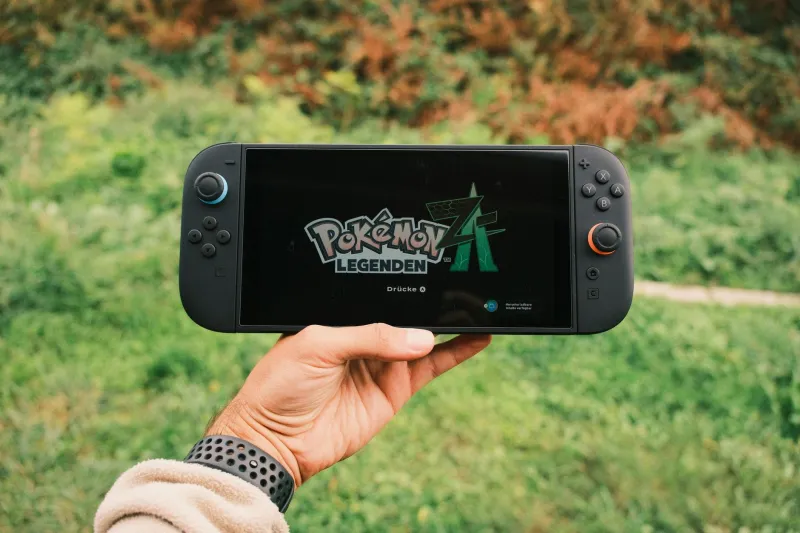
If you've been paying attention to release calendars this year, you've probably noticed something: 2026 is absolutely stacked with reimagined classics. Remakes, remasters, definitive editions, enhanced ports — call them what you want, they're everywhere. And while a handful of them are generating genuine excitement, a growing chorus of players is starting to push back and ask a question publishers really don't want to answer: why does this need to exist?
It's a fair question. And in 2026, it's becoming an unavoidable one.
The Volume Problem
The sheer number of legacy titles getting a second life this year is unprecedented. We're not talking about one or two high-profile revivals dropping alongside fresh original releases. We're talking about a sustained, industry-wide pattern of publishers going back to the catalog well — repeatedly — at the expense of greenlit original projects that either got shelved, delayed, or quietly cancelled.
For context, the remake and remaster market has been growing steadily since around 2020, fueled in part by the pandemic-era content drought and the slow rollout of next-gen software. But what started as a stopgap measure has calcified into a business strategy. The math isn't complicated: a remake of a beloved franchise carries built-in marketing weight, a pre-sold fanbase, and significantly lower creative risk than launching a brand-new IP that could flop. Publishers love predictable returns. Remakes, on paper, offer exactly that.
The problem is that 2026's volume has finally crossed a threshold where even the most nostalgia-receptive players are feeling the fatigue.
Who's Actually Taking Risks
To be fair, not every studio entering this space is coasting. There's a meaningful difference between the remakes that are using the source material as a jumping-off point for something genuinely new and the ones that feel like a 4K texture pack with a $70 price tag.
The remakes drawing the most praise from critics and players right now tend to share a few common traits: expanded or restructured gameplay systems, meaningful additions to the original narrative, and a clear creative vision behind why this game, why now. When a development team can articulate what they're bringing to a beloved title beyond visual fidelity, the results tend to justify the existence of the project. When they can't — or won't — the finished product often feels like exactly what it is: a revenue line item dressed up as a love letter.
Industry veterans who've shipped both original titles and remakes will tell you privately that the internal conversations at major publishers have shifted dramatically. Greenlight meetings that once involved spirited debate about new IP are increasingly dominated by catalog mining exercises. The question isn't always "what do we want to make" — it's "what do we already own that people will buy again."
The Player Pushback Is Real
Something shifted in the community conversation around remakes sometime in late 2025, and it's carrying hard into 2026. Pre-order numbers for several high-profile reimaginings have reportedly come in softer than publishers projected, according to industry analysts tracking digital storefront data. Social sentiment around remake announcements — once reliably positive — is increasingly mixed, with a visible contingent of players responding to reveal trailers with variations of "just make something new."
This isn't purely anti-nostalgia sentiment. Players aren't rejecting the concept of revisiting classics. What they're rejecting is the sense that remakes have become a substitute for creative ambition rather than a complement to it. There's a difference between a studio choosing to remake a game because they have a genuine vision for what it could become and a publisher greenlighting a remake because the original IP tested well in a focus group.
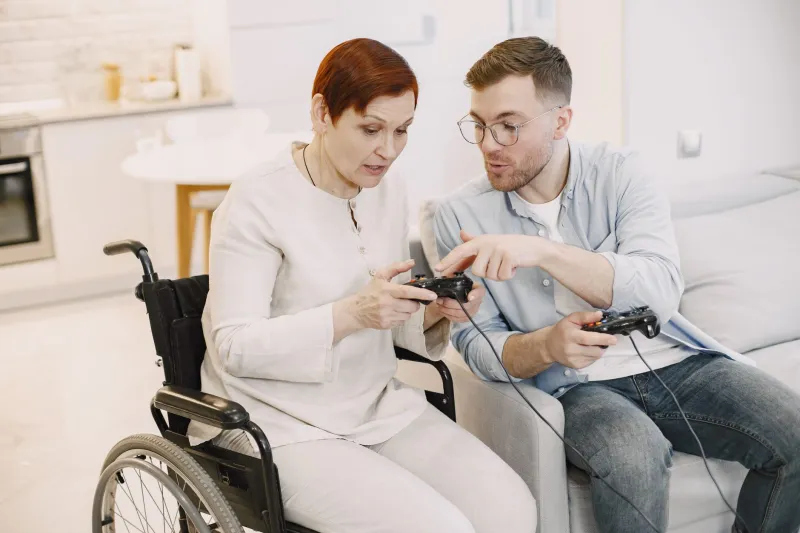
Disability advocates and accessibility-focused communities have also raised a pointed version of this critique: if studios are going back to polish up old games, why are so many remakes shipping with accessibility feature sets that don't meaningfully improve on the original? A game from 2003 getting a 2026 visual overhaul should, by any reasonable standard, also be shipping with 2026-level accessibility options. The fact that some aren't is its own kind of tell about how seriously the creative ambition behind certain projects should be taken.
The Cannibalization Question
Here's the part that should genuinely concern anyone who cares about where the industry is headed: original IP development takes time, money, and risk tolerance. All three of those resources are finite. Every development cycle spent on a remake is, at some level, a cycle not spent on something new — and the brain drain of talented developers leaving major publishers to pursue original concepts independently (more on that elsewhere on this site) is at least partly a reaction to studios that have become risk-averse to the point of creative stagnation.
If 2026's remake wave doesn't perform the way publishers are projecting — and early signals suggest some of these titles may underperform expectations — the industry could be headed for a genuine reckoning by 2027. The calculus that made catalog mining feel safe may not hold if players continue to vote with their wallets against low-effort revivals.
The studios that come out of this cycle with their reputations intact will be the ones that treated the source material as a foundation rather than a crutch. The ones that didn't? They'll have spent a full development cycle producing something that neither excited new players nor satisfied the fans they were banking on.
What Comes Next
The remainder of 2026's release calendar still has several high-profile remakes to come, and the industry will be watching their launch numbers closely. If the titles that took genuine creative risks outperform the ones that played it safe, that's a data point publishers will have a hard time ignoring heading into their 2027 and 2028 planning cycles.
Nostalgia is a powerful thing. But it has a shelf life — and in 2026, that shelf life is being tested harder than it ever has been.
Bottom line: The remake boom isn't going away, but the studios treating it as a creative opportunity rather than a financial shortcut are the only ones worth paying attention to right now.