Drop Culture Has Taken Over Gaming: How Publishers Are Turning Single Releases Into Month-Long Events
There was a time when a game launched on a Tuesday and that was more or less that. Reviews went live, you either bought it or you didn't, and the discourse moved on within a week. That model is effectively dead in 2026. What's replaced it is something closer to a Marvel theatrical rollout crossed with a Beyoncé album drop — a carefully sequenced, weeks-long cultural campaign designed to keep a single title in the conversation long after its actual release date.
Call it the 'Games as Events' playbook, and right now, every major publisher in the business is running some version of it.
What the Playbook Actually Looks Like
The anatomy of a modern AAA launch in 2026 typically breaks down into distinct phases that start well before a game ships and extend significantly past day one. First comes the pre-launch content wave: a staggered series of trailers, each dropping on a different platform with slightly different cuts, timed to specific days of the week when social media engagement peaks. Then come the influencer embargoes — not one unified review embargo, but layered ones. Streamers get early access first, often a week or more ahead of launch, generating hours of live content that functions as both marketing and social proof. Written reviews follow a few days later, then YouTube video essays, then the broader discourse.
In-game countdowns and pre-launch events have become standard practice. Players who pre-ordered or signed up for beta access are dropped into limited prologues, standalone demo chapters, or time-gated in-game activations that build anticipation while simultaneously rewarding early commitment. The game isn't just coming — it's arriving, piece by piece, in a way that's designed to generate a new headline every three to four days.
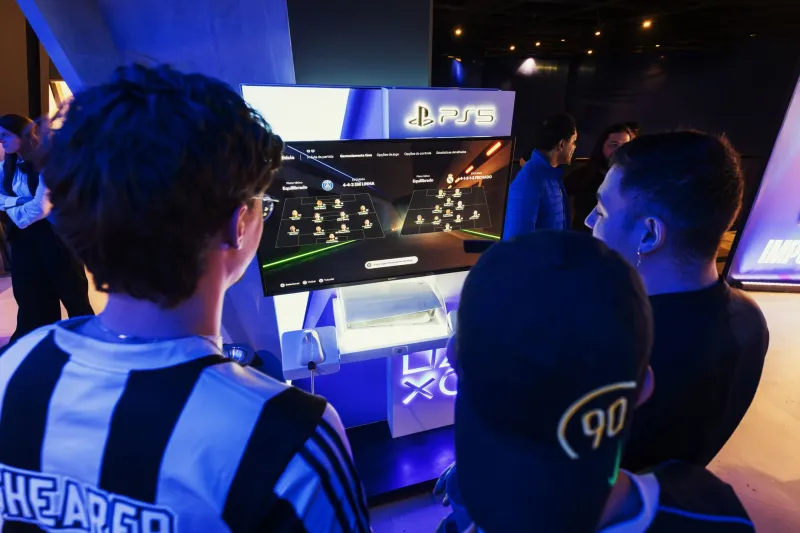
Real-world activations round out the strategy. Pop-up experiences in major US cities, branded merchandise collaborations, and even restaurant tie-ins have become expected components of a blockbuster launch rather than optional extras. These aren't just for the people who show up — they exist primarily to generate shareable content that reaches millions of people who will never set foot in the venue.
The 2026 Examples Worth Examining
The approach has been visible across several major 2026 releases. Doom: The Dark Ages, which launched in May, deployed a textbook version of this strategy — id Software and Bethesda ran a weeks-long campaign that included a gameplay showcase at a dedicated pre-launch event, a staggered content creator access program, a playable prologue for Game Pass subscribers ahead of the full launch, and coordinated social media pushes timed to specific gameplay reveals. By the time the game actually dropped on May 15, the cultural conversation around it had been running at full volume for nearly a month.
Similarly, Borderlands 4's September window is already being fronted by a campaign structure that layers vault hunter reveals, in-game predecessor events in Borderlands 3, and a content creator program that began months before any review code went out. Gearbox clearly learned from the mixed Wonderlands launch — this time, the event infrastructure is being built much earlier and much louder.
Why Publishers Are Doing This — And Whether It Works
The business logic is straightforward. The release calendar in 2026 is brutally competitive. Q3 and Q4 are so densely packed that a game that doesn't establish cultural momentum before it launches risks being immediately buried by whatever drops the following week. A month-long event campaign is essentially a hedge against irrelevance — it buys a title multiple news cycles instead of one, and it creates enough social media surface area that the algorithm keeps surfacing it to new audiences organically.
There's also a commercial argument tied to pre-orders and early access monetization. Every phase of the pre-launch campaign is designed to convert curiosity into a financial commitment before the game ships and reviews can influence purchase decisions. The earlier someone buys in, the more insulated that sale is from critical reception.
But the strategy has real costs, and they're worth naming. The most obvious is fatigue. When a game has been in the cultural conversation for six weeks before it launches, a significant portion of the audience has already formed strong opinions — or lost interest entirely — before they've played a single second of it. The discourse burns hot and fast, and by the time casual players are ready to engage, the internet has often moved on to the next manufactured moment.
The Noise Problem
There's also a legitimate question about whether all this coordinated activity is actually signal or just engineered noise. When every major release runs the same playbook — staggered trailers, layered embargoes, creator access programs, in-game countdowns — the individual tactics stop feeling special and start feeling like furniture. Players increasingly recognize the machinery behind the curtain, and that recognition can breed cynicism rather than excitement.
The games that have cut through most effectively in 2026 haven't necessarily been the ones with the most elaborate campaign infrastructure — they've been the ones where the game itself gave people something genuinely new to talk about. The event strategy works best as an amplifier. It can make a great game feel unmissable. It cannot make a mediocre game feel essential, no matter how many pop-up experiences you build in Brooklyn.
What Comes Next
The publishers who figure out how to run this playbook with some restraint — who know when to pull back and let the game breathe rather than flooding every channel simultaneously — are the ones who'll get the most out of it. The Summer Game Fest and The Game Awards remain the anchor points around which these campaigns are built, and both events are increasingly functioning less as showcases and more as the opening acts of extended launch productions.
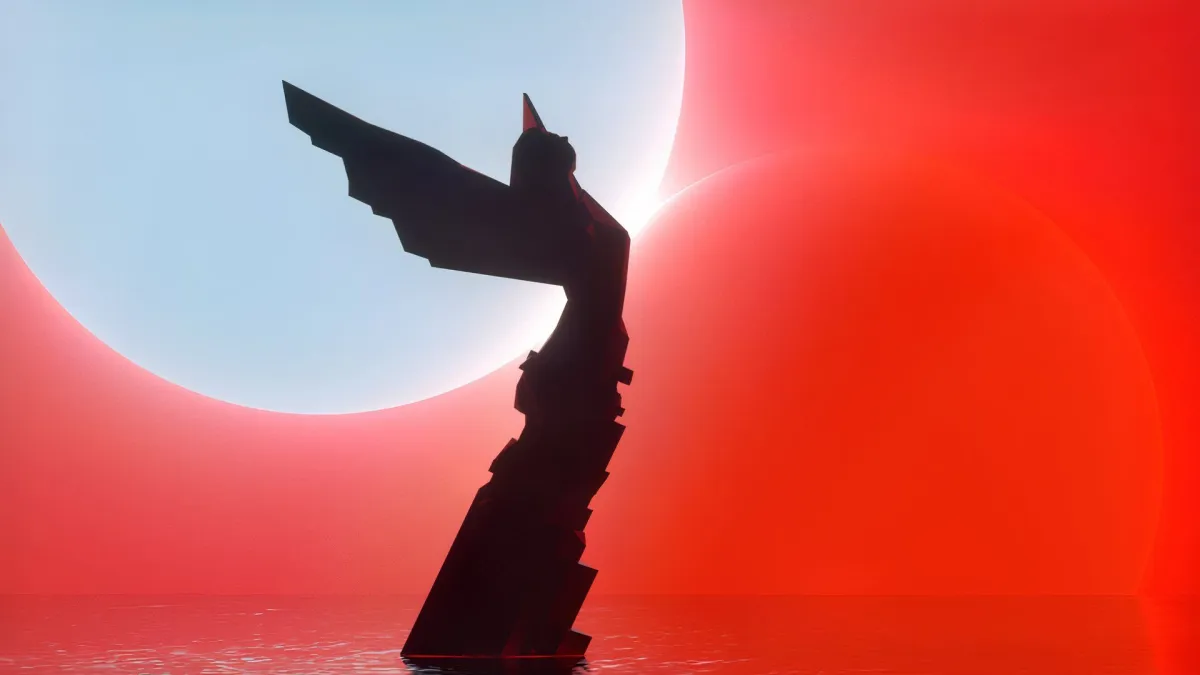 Photo: The Game Awards, via static0.thegamerimages.com
 Photo: Summer Game Fest, via beatcopgame.com
For players, the practical advice is simple: learn to read the campaign calendar as its own kind of entertainment, separate from the game itself. The event is not the game. The game is still the game.
And right now, in 2026, the gap between those two things has never been wider — or more carefully managed.