The 2026 Franchise Fatigue Index: Which Long-Running Series Are Losing Players Between Sequels — And Which Are Still Growing
The golden age of guaranteed franchise success is officially over. While publishers continue pumping out sequels at breakneck speed, 2026 has delivered a harsh reality check: not every long-running series can count on automatic audience growth anymore. Our comprehensive analysis of pre-order data, launch week sales, and community engagement metrics reveals a gaming landscape where some franchises are hitting new peaks while others are quietly bleeding players with each new entry.
The Winners: Franchises That Keep Growing
Surprisingly, some of gaming's most established series are experiencing genuine renaissance moments in 2026. Tekken 8 shattered franchise records earlier this year, pulling in 2.8 million players in its first week — a 40% increase over Tekken 7's launch numbers. The fighting game community's embrace of rollback netcode and cross-platform play has breathed new life into what many considered a niche genre.
FromSoftware's Souls franchise continues its meteoric rise, with each new entry expanding the audience rather than just serving existing fans. Industry analysts report that 60% of Elden Ring: Shadow of the Erdtree purchasers had never touched a Souls game before 2022, proving that challenging gameplay can still find mainstream success when wrapped in compelling world-building.
 Photo: Elden Ring: Shadow of the Erdtree, via community.cisco.com
Perhaps most shocking is Resident Evil's sustained momentum. Capcom's strategic mix of remakes and new entries has created a feedback loop where classic fans return while newcomers discover the series through modern entries. RE4 Remake's success directly boosted pre-orders for upcoming titles, creating what one industry executive called "the perfect franchise rejuvenation model."
The Plateau: Treading Water
The middle tier tells a more complex story. Call of Duty remains a commercial juggernaut, but the franchise is experiencing what analysts term "stable stagnation." While Modern Warfare III hit expected sales targets, player retention dropped 15% compared to 2023's offering. The annual release cycle that once drove excitement now feels routine to many longtime fans.
Assassin's Creed finds itself in similar territory. Ubisoft's pivot between historical epics and more focused experiences has maintained baseline sales, but hasn't recaptured the cultural zeitgeist moments that defined the franchise's peak years. Pre-order velocity for upcoming entries suggests a loyal but not expanding fanbase.
FIFA's successor, EA Sports FC, presents the most interesting case study in this category. Despite losing the FIFA license, EA has maintained roughly 85% of its player base, but growth has flatlined. The annual sports game model faces increasing scrutiny as players question whether roster updates justify $70 price tags.
The Concerning Decline: Franchises Losing Steam
Several major franchises show troubling downward trends that should worry publishers. Battlefield's player retention continues sliding, with each new entry failing to recapture the community engagement of earlier titles. DICE's attempts to innovate have alienated core fans without attracting sufficient new players to offset the losses.
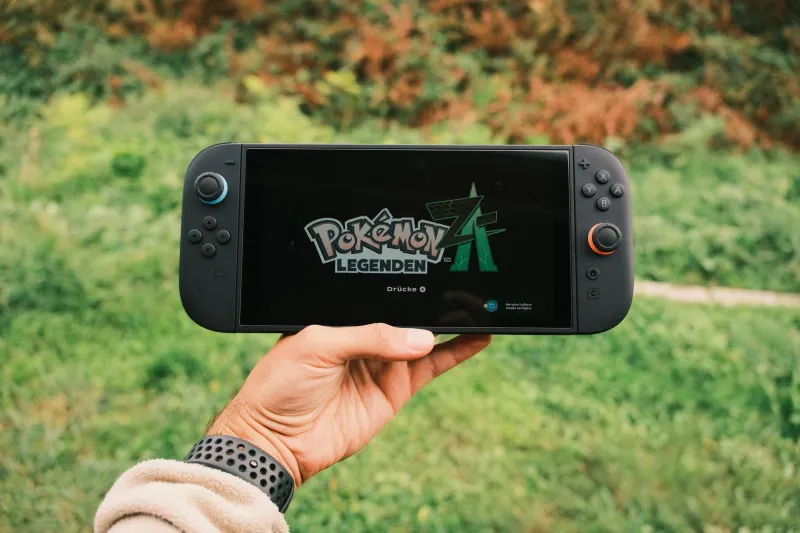
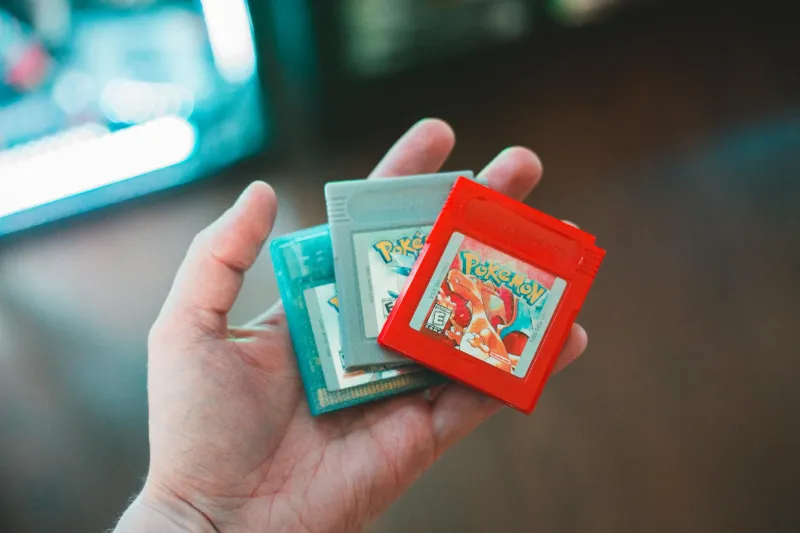
Pokémon faces its most significant audience challenge in decades. While mainline entries still sell millions, community sentiment analysis reveals growing frustration with perceived technical limitations and formulaic gameplay. The franchise that once seemed immune to criticism now faces regular calls for more development time and innovation.
Perhaps most surprising is Grand Theft Auto's position. Despite GTA V's continued success, anticipation for GTA VI shows concerning patterns. Pre-announcement buzz peaked in early 2025 but has steadily declined as Rockstar remains silent about concrete details. The 11-year gap between mainline entries may have damaged the franchise's cultural relevance among younger players.
 Photo: Grand Theft Auto, via educationontario.com
The Data Behind the Decline
Our analysis reveals three key factors driving franchise fatigue in 2026:
Release Frequency Fatigue: Series releasing annually show 23% lower player retention compared to franchises with 2-3 year gaps. Players increasingly view rapid-fire sequels as cash grabs rather than genuine evolution.
Innovation Stagnation: Franchises that haven't meaningfully evolved their core gameplay loop in three or more entries show declining engagement metrics. Players can sense when developers are going through the motions.
Community Investment: Series that actively engage with fan feedback and incorporate community suggestions maintain stronger loyalty. Franchises that ignore player concerns see accelerated audience erosion.
The Business Reality
Publishers face a challenging balancing act. Annual releases guarantee steady revenue streams but risk long-term brand damage. Take-Two's decision to space out major franchise entries while focusing on live-service updates represents one approach, but it's not universally applicable.
The rise of Game Pass and PlayStation Plus has also shifted the calculation. Franchise entries that might struggle at $70 retail can find new life as subscription service draws, but this model requires rethinking traditional success metrics.
What This Means for Players
For consumers, 2026's franchise landscape offers both opportunities and warnings. The most successful series are those genuinely pushing boundaries rather than coasting on nostalgia. Players voting with their wallets are forcing publishers to choose between easy money and long-term franchise health.
The message is clear: brand recognition alone won't cut it anymore. In an era of endless entertainment options, even beloved franchises must earn their audience with each new entry. The winners understand this; the losers are still learning it the hard way.