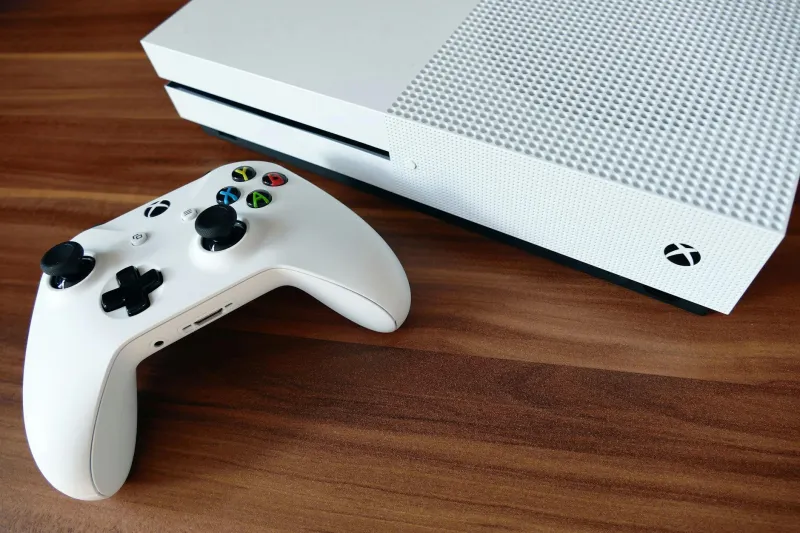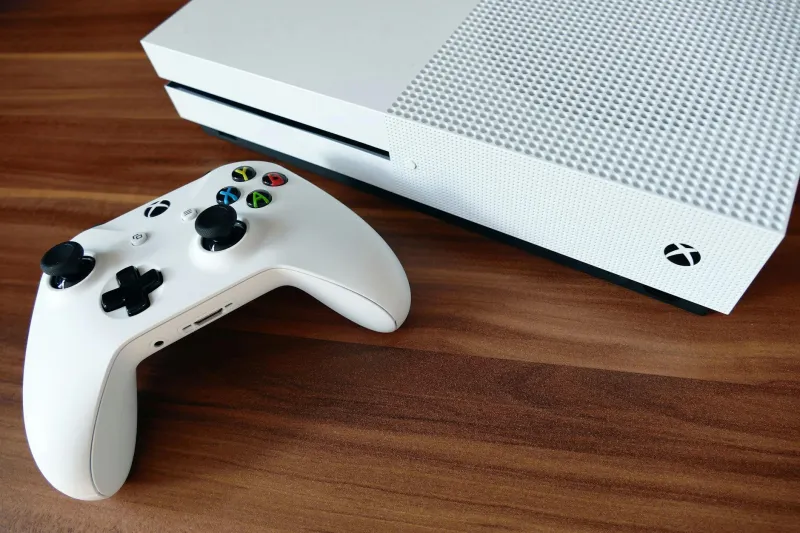
Gaming subscriptions were supposed to be the Netflix of video games — unlimited entertainment for a low monthly fee. But as we head deeper into 2026, the math is getting murkier. Xbox Game Pass Ultimate now costs $19.99 per month, PlayStation Plus Premium sits at $17.99, and the promise of "everything you want to play" is starting to feel more like "some of what you might eventually want to play, maybe."
With major publishers increasingly holding back their biggest releases from day-one inclusion and subscription tiers multiplying faster than battle pass variants, it's time to ask the uncomfortable question: are these services actually saving us money, or have they become elaborate monthly taxes on our gaming habits?
The New Subscription Reality
Let's start with the elephant in the room — prices have skyrocketed. Game Pass Ultimate has jumped from $14.99 to $19.99 in just two years, while PlayStation Plus Premium climbed from $17.99 to its current rate after Sony quietly adjusted pricing in March 2026. That's $240 and $216 annually, respectively, before you buy a single game outright.
But the real kicker isn't the sticker shock — it's what you're not getting for that premium. EA's decision to pull day-one releases from Game Pass in late 2025 was just the beginning. Activision Blizzard games now hit the service 6-12 months after launch, Take-Two has never committed to simultaneous releases, and even Microsoft's own first-party titles sometimes arrive with caveats (looking at you, Forza Motorsport's "Standard Edition only" nonsense).
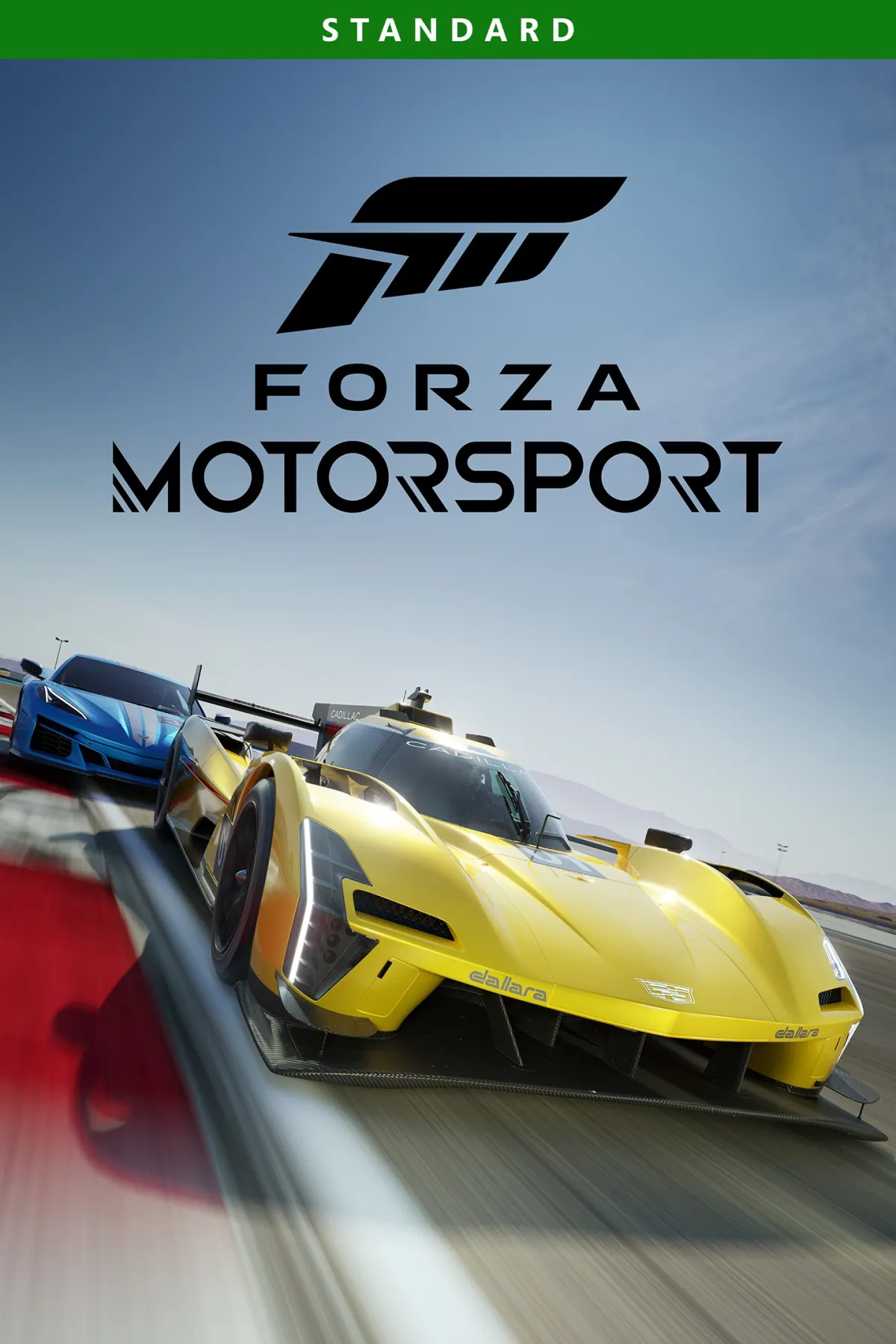 Photo: Forza Motorsport, via store-images.s-microsoft.com
PlayStation Plus faces similar challenges. While Sony's first-party exclusives eventually make their way to the Extra tier, "eventually" now means 18-24 months post-launch rather than the 12-month window we saw in 2024. Third-party AAA games? You're looking at even longer waits.
Crunching the Numbers: Three Gamer Profiles
To get real answers, we analyzed three distinct gaming profiles based on 2026 spending patterns:
The Subscription Loyalist: Maintains both Game Pass Ultimate and PS Plus Premium year-round, rarely buys games at launch.
- Annual cost: $456 in subscriptions
- Additional purchases: 2-3 major releases at $70 each
- Total yearly spend: ~$600
The Selective Buyer: No subscriptions, purchases 8-10 games per year at strategic times.
- Day-one purchases: 2-3 games at $70
- Sale purchases: 5-7 games averaging $35
- Total yearly spend: ~$385
The Hybrid Gamer: One premium subscription plus selective purchases.
- Game Pass Ultimate: $240
- Day-one purchases: 3-4 exclusives from other platforms
- Sale purchases: 2-3 additional games
- Total yearly spend: ~$450
The Hidden Costs Nobody Talks About
Subscription fatigue isn't just psychological — it's financial. The average US gamer now juggles 2.3 gaming subscriptions, according to recent industry data. Add in the pressure to maintain multiple platform subscriptions to avoid missing exclusives, and you're looking at serious monthly commitments.
Then there's the "subscription anxiety" factor. How many times have you bought a game on sale, only to see it hit Game Pass three months later? Or conversely, started a game on PlayStation Plus only to lose access when your subscription lapsed? These scenarios create a weird gaming limbo where you're never quite sure if you actually own the experiences you're paying for.
The most insidious cost might be opportunity cost. When you're paying $20 monthly for Game Pass, that $240 annual commitment could have bought you three full-price AAA games that you'd own forever. Games you could resell, trade, or replay in 2030 without worrying about licensing agreements.
When Subscriptions Actually Make Sense
Despite the mounting concerns, subscriptions aren't universally bad deals. Game Pass Ultimate still delivers incredible value if you're a prolific gamer who plays 15+ games per year and doesn't mind waiting for major releases. The service's strength lies in discovery — surfacing indie gems and mid-tier games you'd never purchase outright.
PlayStation Plus Premium similarly shines for retro gaming enthusiasts and players who want to sample a wide variety of experiences without commitment. The classic game catalogs alone justify the cost for certain demographics.
The sweet spot seems to be treating subscriptions as discovery tools rather than primary gaming sources. Use them to find new favorites, then buy the games you truly love when they hit reasonable sale prices.
The Verdict: It's Complicated
After running the numbers across multiple scenarios, the truth is uncomfortable: for most American gamers, the current subscription landscape is more expensive than selective purchasing, especially if you're drawn to major AAA releases.
The subscription model works best for gamers who play broadly rather than deeply, who value discovery over ownership, and who can resist the urge to buy day-one releases from publishers who've pulled back from these services.
For everyone else? You're probably better off waiting for sales, building a wishlist, and treating subscriptions as seasonal indulgences rather than year-round commitments. The "Netflix of gaming" dream isn't dead, but in 2026, it's definitely more expensive than anyone promised.