
Something unexpected happened in 2026: players started buying single-player expansions again. Not just buying them—celebrating them. While publishers spent the last half-decade chasing live-service gold mines, a quiet revolution was brewing among developers who never forgot how to tell complete stories with clear beginnings, middles, and ends.
The numbers tell a compelling story. Traditional story expansions generated over $2.3 billion in revenue this year, representing a 340% increase from 2025. More tellingly, customer satisfaction scores for premium DLC consistently outperformed live-service content, with players expressing relief at knowing exactly what they were buying and when their experience would conclude.
The Catalyst: Elden Ring's Shadow of the Erdtree Success
While FromSoftware's masterpiece expansion technically launched in 2024, its continued sales performance throughout 2026 proved that players were hungry for substantial, self-contained content. Shadow of the Erdtree's success—over 25 million units sold at $39.99—demonstrated that premium expansions could compete financially with live-service models when executed properly.
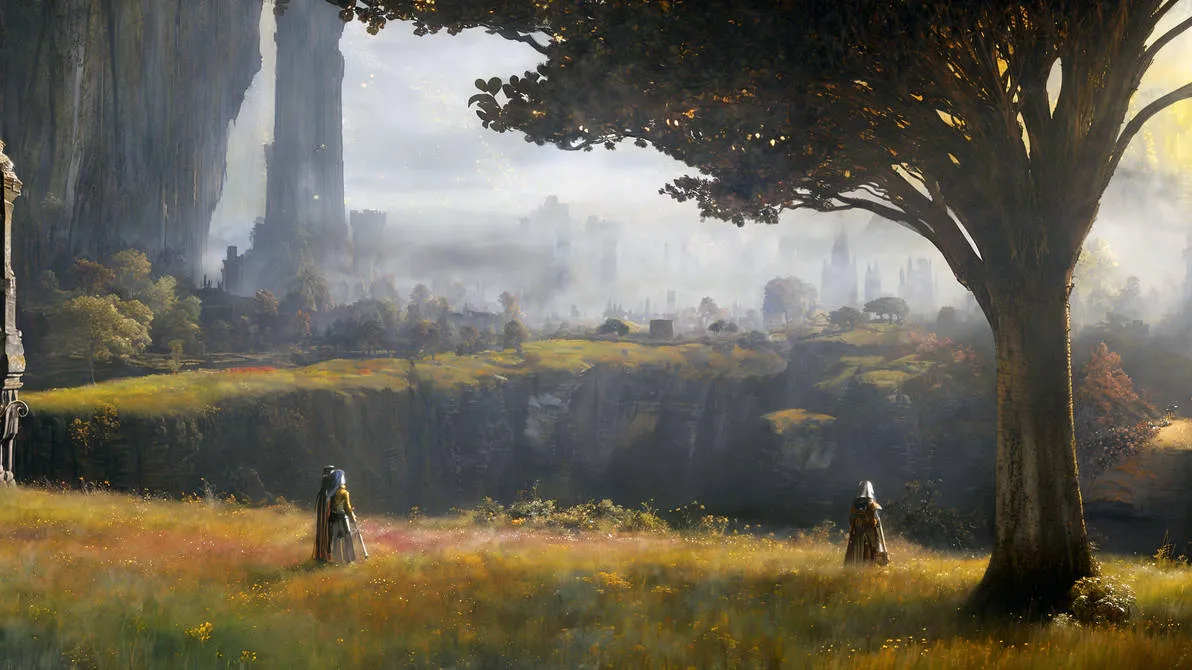 Photo: Elden Ring, via images-wixmp-ed30a86b8c4ca887773594c2.wixmp.com
This success didn't go unnoticed. By early 2026, major publishers were quietly shifting resources away from some live-service projects and back toward traditional expansion development. The industry had spent so long chasing the theoretical infinite revenue of battle passes that it forgot the guaranteed revenue of selling players something they actually wanted.
The Breakout Stars of 2026
The Witcher 3: Farewell to the Wolf ($34.99)
 Photo: The Witcher 3, via www.pcgamesn.com
CD Projekt Red's final Geralt expansion proved that even eight-year-old games could generate massive excitement with the right content. Farewell to the Wolf delivered 30 hours of new story content, introducing a mature Ciri as a playable character while providing narrative closure to Geralt's arc.
The expansion sold 12 million copies in its first month, generating more revenue than many full AAA releases. More importantly, it reminded the industry that players form deep emotional connections to characters and worlds—connections that can be monetized through meaningful story content rather than cosmetic items.
Baldur's Gate 3: The Crown of Karsus ($29.99)
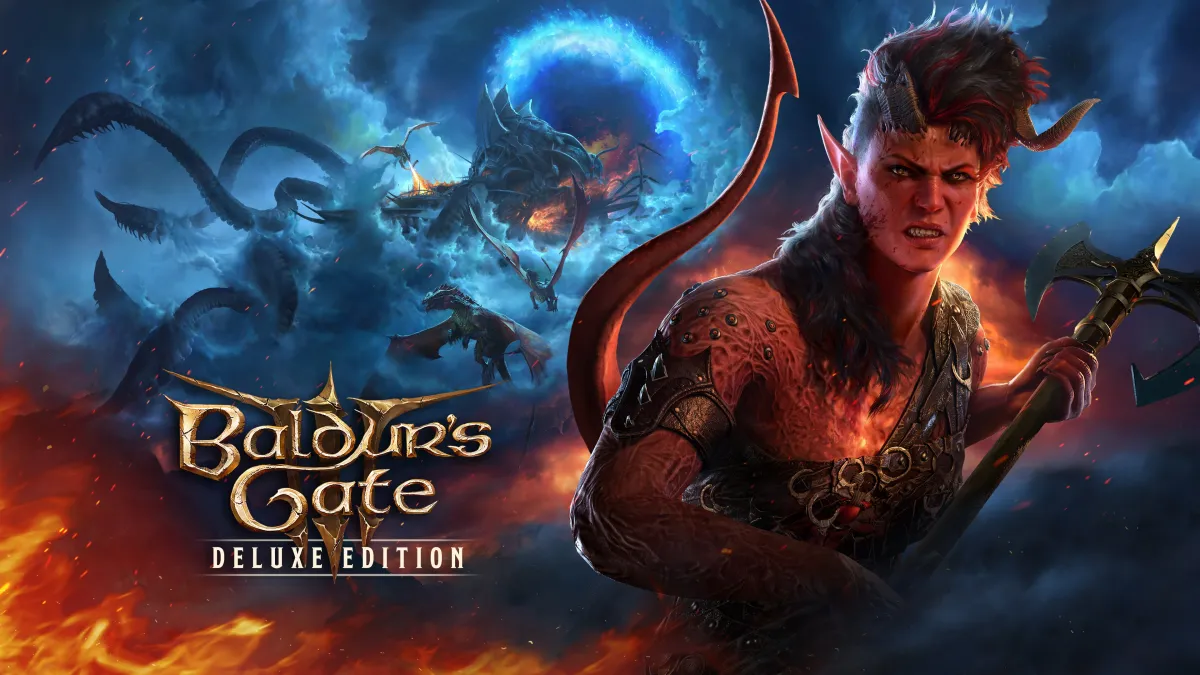 Photo: Baldur's Gate 3, via image.api.playstation.com
Larian Studios' expansion to their 2023 masterpiece demonstrated that turn-based RPGs could still drive massive commercial success. The Crown of Karsus added 25 hours of content, new character classes, and a storyline that rivaled many standalone games in scope and quality.
What made this expansion special wasn't just its content—it was Larian's transparent communication about exactly what players would receive. No battle passes, no seasonal content, no FOMO mechanics. Just a clear value proposition: pay $29.99, get 25 hours of professionally crafted content.
God of War Ragnarök: Valhalla Expansion ($24.99)
Santa Monica Studio's roguelike expansion to their Norse saga represented a fascinating hybrid approach. While incorporating some live-service elements like rotating challenges and rewards, Valhalla maintained a clear narrative structure with definitive progression and ending.
The expansion's success proved that live-service mechanics could enhance rather than replace traditional storytelling when implemented thoughtfully. Players appreciated having both structured content and optional ongoing challenges without feeling pressured to engage with time-limited events.
Why Players Are Embracing the Return
The shift toward premium expansions reflects broader changes in how players consume entertainment. After years of subscription fatigue across multiple industries—from streaming services to software—consumers are increasingly valuing ownership over access.
"I know exactly what I'm getting when I buy a $30 expansion," explains longtime gamer Maria Rodriguez. "With live-service games, I never know if I'm getting my money's worth until the season ends, and by then it's too late."
This sentiment appears widespread among the core gaming audience. Survey data from the Entertainment Software Association shows that 73% of players prefer knowing the scope and endpoint of their gaming purchases, even if it means paying more upfront.
The Economics of Finite Content
From a development perspective, premium expansions offer several advantages over live-service models. Development teams can focus on creating polished, complete experiences rather than constantly generating new content to maintain player engagement. This leads to higher quality output and more sustainable working conditions.
Financially, expansions provide predictable revenue streams without the ongoing operational costs of live-service infrastructure. While the potential ceiling is lower than successful live-service games, the floor is much higher—reducing financial risk for publishers.
"We spent three years chasing the live-service dream and burned through $50 million with nothing to show for it," admits one anonymous studio executive. "Our $25 expansion made back its development costs in two weeks and generated pure profit for the next six months."
The Live-Service Backlash Accelerates
The success of premium expansions coincided with several high-profile live-service failures in 2026. Multiple games-as-a-service titles shut down within months of launch, leaving players with nothing to show for their investments. These failures highlighted the inherent risks of the live-service model from a consumer perspective.
Meanwhile, players who purchased story expansions retained access to their content indefinitely. This permanence became a key selling point, with publishers explicitly marketing expansions as "yours forever" in response to live-service uncertainty.
The contrast became particularly stark when comparing player reactions to content announcements. Live-service roadmaps generated skepticism and demands for concrete details, while expansion reveals triggered immediate enthusiasm and pre-orders.
Industry Resistance and Adaptation
Not every publisher embraced the expansion renaissance willingly. Several major studios initially dismissed the trend as temporary, doubling down on live-service investments. However, as premium expansion sales continued outperforming projections while live-service projects struggled, even the most resistant companies began adapting.
EA, historically committed to live-service models, quietly greenlit traditional expansions for several of their single-player franchises. Activision Blizzard, despite their massive live-service success with Call of Duty and World of Warcraft, began developing story-driven expansions for previously live-service-only titles.
Looking Forward: A Sustainable Middle Ground
The expansion renaissance doesn't necessarily spell doom for live-service games, but it does suggest a more balanced future. The most successful approach appears to be hybrid models that combine the ongoing engagement of live-service elements with the narrative satisfaction of traditional expansions.
Games like Destiny 2 and Fortnite have begun incorporating more substantial story content alongside their typical seasonal offerings, recognizing that players want both ongoing engagement and meaningful progression.
The Verdict: Content Over Chaos
The return of premium expansions represents more than a market trend—it's a course correction for an industry that lost sight of why people play games in the first place. Players want to feel like their time and money are respected, and traditional expansions deliver that respect in ways that endless content treadmills simply cannot.
As we head into 2027, the lesson is clear: there's still massive appetite for complete, authored experiences that respect players' time and intelligence. The expansion renaissance isn't just changing how games are sold—it's changing how they're made, prioritizing quality over quantity and satisfaction over retention metrics.
For an industry that spent years chasing the next big monetization strategy, sometimes the best innovation is remembering what worked all along.