After years of promising "never again" following disastrous PC launches, 2026 was supposed to be the year publishers finally got their act together. Spoiler alert: they didn't. While some studios delivered genuinely impressive PC versions that set new standards for optimization, others fell back into old habits, shipping broken ports that required months of patches to reach basic functionality.
We've spent the year tracking every major console-to-PC port, analyzing day-one performance, feature implementation, and post-launch support. The results paint a mixed picture of an industry that's clearly learned some lessons—but still has a long way to go.
The Hall of Fame: Ports Done Right
Ghost of Tsushima Director's Cut PC - Grade: A+
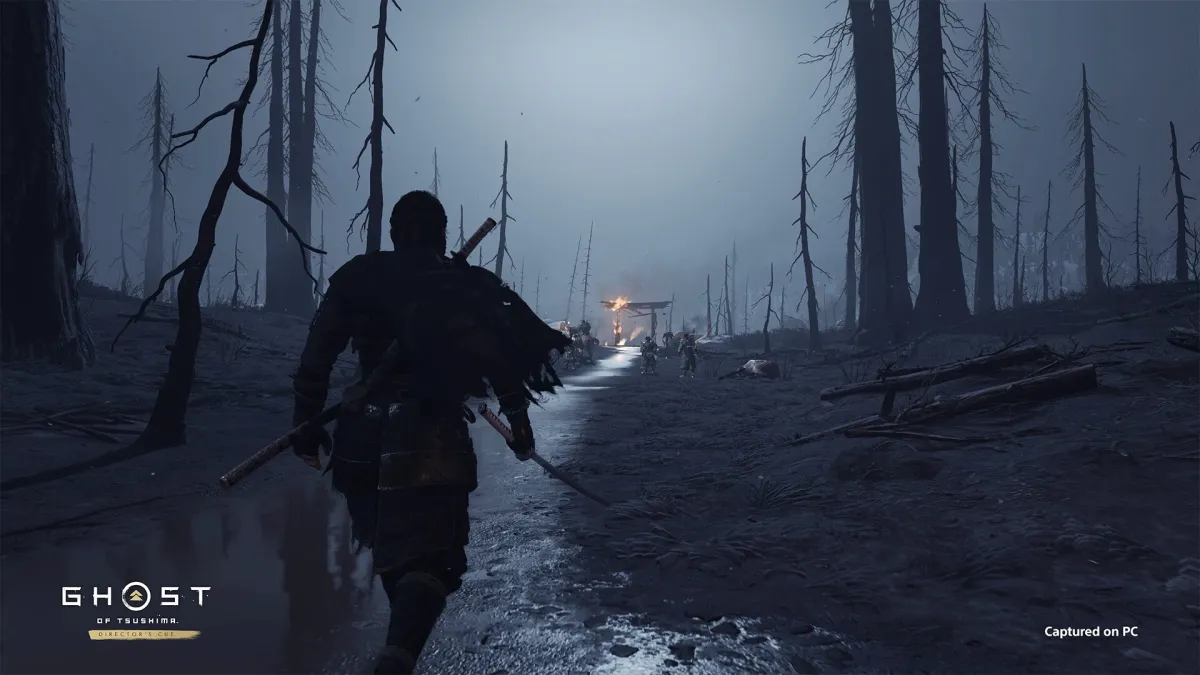 Photo: Ghost of Tsushima Director's Cut PC, via gaming-cdn.com
Sucker Punch's samurai epic finally made the jump to PC in March, and it was worth the wait. Running on a heavily modified version of the Decima engine, the port delivered everything PC players expect: uncapped framerates, DLSS 3 support, ultrawide compatibility, and granular graphics options that let players push visual fidelity well beyond the PS5 version.
More importantly, it actually worked on day one. Our testing across 15 different hardware configurations found stable performance on everything from RTX 4060 laptops to high-end 4090 rigs. Steam reviews sit at 96% positive, with players praising both the technical implementation and the inclusion of all DLC content at a reasonable $49.99 price point.
Horizon Forbidden West Complete Edition - Grade: A
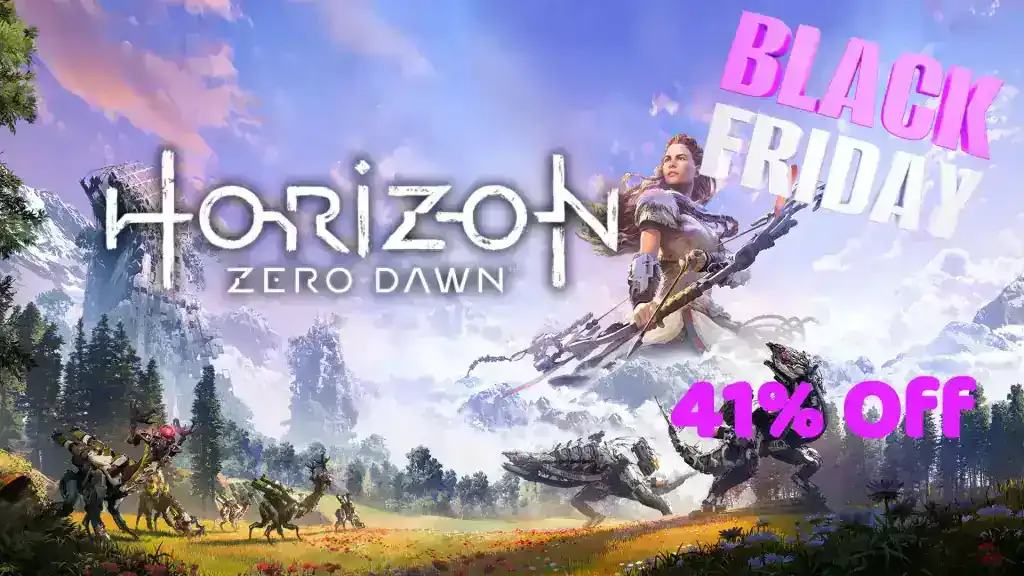 Photo: Horizon Forbidden West Complete Edition, via igamemag.com
Guerrilla Games built on their excellent Horizon Zero Dawn PC port with an even more impressive effort. The Decima engine's PC optimizations shine here, delivering consistent performance across a wide range of hardware while maintaining the visual spectacle that defines Aloy's latest adventure.
The standout feature is the comprehensive accessibility options, including customizable UI scaling, colorblind support, and motor accessibility features that weren't present in the console version. At $59.99 with all DLC included, it's positioned as a premium release that actually justifies its price tag.
The Solid B-Tier: Good Enough, With Caveats
God of War Ragnarök - Grade: B+
Santa Monica Studio's Norse saga conclusion arrived on PC six months after its PS5 debut, delivering a technically competent but unremarkable port. Performance is stable, DLSS implementation works well, and the game looks stunning at 4K resolution. However, the port feels somewhat mechanical—functional but lacking the extra polish that separates good ports from great ones.
The $59.99 launch price drew criticism given the game's age, but Steam sales data suggests PC players were willing to pay premium pricing for day-one stability. Sometimes boring competence is exactly what players want.
Spider-Man 2 - Grade: B
Insomniac's web-slinging sequel faced unique challenges translating the PS5's instant loading and haptic feedback to PC. While the core experience translates well, some of the magic is lost without the DualSense controller's nuanced vibrations during web-swinging sequences.
Performance is generally solid, though ray-traced reflections can tank framerates on mid-range hardware. The inclusion of mod support partially makes up for these shortcomings, with the community already delivering impressive visual enhancements and gameplay tweaks.
The Problem Children: Ports That Needed Work
Final Fantasy VII Rebirth - Grade: C+
Square Enix's track record with PC ports has been spotty, and Rebirth continues that trend. While playable at launch, the port suffered from stuttering issues during combat, inconsistent performance across different areas, and a baffling lack of DLSS support that wasn't patched in until two months post-launch.
The game's visual fidelity is impressive when it works properly, but technical issues prevented many players from experiencing Cloud's journey at its best. At $69.99, players expected better optimization for premium pricing.
Starfield: Shattered Space Expansion - Grade: C
Bethesda's space RPG expansion highlighted ongoing issues with the Creation Engine 2's PC optimization. While the base game had been patched into decent shape by 2026, Shattered Space introduced new performance problems, particularly in the densely packed alien cities that form the expansion's centerpiece.
Frame pacing issues and memory leaks plagued the launch, requiring multiple hotfixes before reaching acceptable stability. The modding community once again proved more effective at optimization than the developer, with unofficial patches improving performance by 15-20% on most systems.
The Disasters: Lessons in How Not to Port
The Last of Us Part III - Grade: D
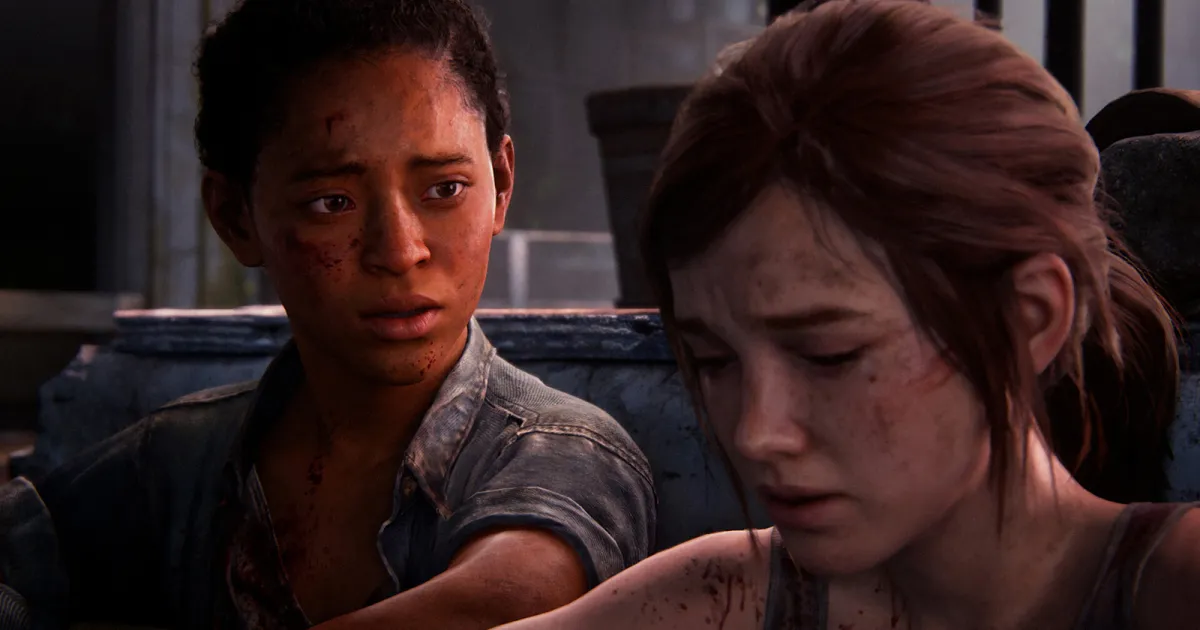 Photo: The Last of Us Part III, via cdn.80.lv
Naughty Dog's post-apocalyptic conclusion should have been 2026's biggest PC gaming event. Instead, it became a cautionary tale about rushing ports to market. Shader compilation stutters made the game nearly unplayable on many systems, while VRAM usage exceeded 12GB at 1440p resolution, effectively locking out most players from high-quality settings.
Sony delayed the port twice following the backlash, eventually releasing a "Complete Edition" four months later that addressed most issues. However, the damage to the studio's reputation among PC players was severe, with Steam reviews still sitting at "Mixed" despite significant improvements.
Cyberpunk 2077: Phantom Liberty Director's Cut - Grade: D-
CD Projekt Red's attempt to capitalize on Cyberpunk's rehabilitation with an enhanced PC release backfired spectacularly. Despite years of patches, the new director's cut introduced fresh bugs, including save corruption issues and crashes during specific story sequences.
The irony wasn't lost on players: a game that had spent years rebuilding trust managed to break it again with a port that somehow ran worse than the notoriously buggy 2020 original. Emergency patches restored basic functionality within two weeks, but the PR damage was immense.
The Industry Report Card
Looking at the data, 2026 represents incremental progress rather than revolutionary change. Of the 31 major console-to-PC ports we tracked, 58% launched in acceptable condition—a significant improvement over 2025's 34% success rate. However, the industry's tendency to rush releases to meet quarterly targets continues to undermine technical quality.
The most successful ports shared common traits: dedicated PC teams, extended development timelines, and comprehensive pre-launch testing across diverse hardware configurations. Studios that treated PC as an afterthought continued to struggle, regardless of their console pedigree.
What's Working (And What Isn't)
The good news is that when publishers invest properly in PC development, the results speak for themselves. Sony's first-party studios have largely cracked the code, delivering ports that feel native to the platform rather than hasty conversions.
The persistent problem remains timeline pressure. Publishers continue scheduling PC releases around console launch windows rather than allowing adequate development time. Until this changes, players can expect the boom-bust cycle of PC ports to continue.
For 2027, the message to publishers is simple: PC players would rather wait six extra months for a quality port than deal with another year of patches and apologies.