The End of an Era
Remember the electric buzz of standing in line outside GameStop at 11:47 PM, clutching your pre-order receipt while debating which Halo weapon was superior with fellow fans? That cultural touchstone of gaming — the midnight launch — has quietly died in 2026, replaced by a complex web of digital unlock times, early access tiers, and staggered regional releases that prioritize convenience over community.
The shift became undeniable when major 2026 releases like Assassin's Creed Shadows and Grand Theft Auto VI launched without a single organized midnight event at major retailers. Instead, players found themselves navigating release calendars that looked more like airline departure boards: Premium Edition holders got access 72 hours early, Game Pass Ultimate subscribers unlocked at 9 PM Pacific on Thursday, while standard digital buyers waited until the traditional Friday morning slot.
What Killed the Midnight Launch
The death wasn't sudden — it was a slow bleed that accelerated during the pandemic and never recovered. "We saw foot traffic for midnight launches drop 89% between 2019 and 2024," explains Marcus Chen, former GameStop district manager in Los Angeles. "By 2025, we were opening stores at midnight for maybe three people. The math just didn't work anymore."
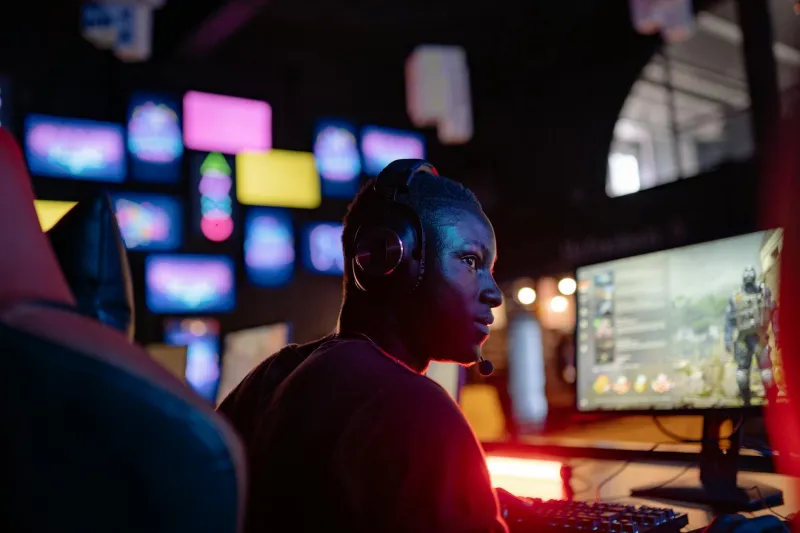
Digital sales now represent 94% of all game purchases in the US, according to industry tracker Circana. When you can pre-load 50GB overnight and unlock at the stroke of midnight from your couch, why brave parking lots and long lines? The convenience factor proved insurmountable.
But the real killer was the rise of tiered early access. Publishers discovered they could charge premium prices for early entry — Dragon Age: Dreadwolf's Deluxe Edition commanded $89.99 partly because it included 96-hour early access. Suddenly, the "real" launch date became fluid, scattered across multiple time zones and purchase tiers.
The New Release Ritual
Call of Duty: Modern Warfare 4 exemplified 2026's new approach. Activision rolled out access in waves: Campaign Early Access for pre-orders started Monday, multiplayer beta opened Wednesday for premium buyers, and the full game unlocked regionally starting in New Zealand Thursday morning. By the time Friday's "official" launch arrived, streamers had been broadcasting for 96 hours.
 Photo: New Zealand, via lp-cms-production.imgix.net
"It's actually more exciting now," argues Jessica Martinez, a 28-year-old streamer from Austin. "Instead of one big moment, you get this building anticipation. My Discord server has been buzzing all week as different people get access. It's like a slow-burn Christmas morning."
The technical infrastructure supports this new model. Steam's global unlock system means Elden Ring: Shadow of the Erdtree released at 12:01 AM in each time zone, creating a rolling wave of excitement as players shared first impressions across social media. PlayStation's pre-load system lets you download massive day-one patches while you sleep, eliminating the old frustration of buying a game at midnight only to wait three hours for updates.
What We Lost Along the Way
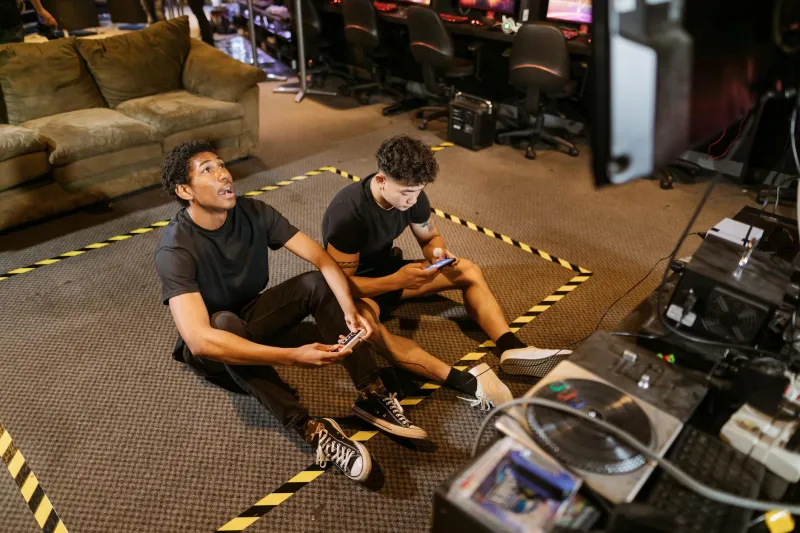
But something intangible vanished with those GameStop parking lots. "The midnight launch was about more than just getting the game," reflects Tom Bradley, who attended over 30 midnight launches between 2007 and 2019. "It was a pilgrimage. You'd meet people who became lifelong friends. There was this shared energy — hundreds of people united by pure excitement for the same thing."
The community aspect has fragmented. Instead of everyone experiencing Baldur's Gate 3 simultaneously, players now encounter spoilers across multiple days as early access holders share discoveries. The collective "holy shit" moment — like discovering the first Big Daddy in BioShock — gets diluted across staggered release windows.
Regional unlock times created their own problems. Starfield's New Zealand trick became so popular that Xbox temporarily region-locked early access after players used VPNs to unlock games 18 hours ahead of their local time zone.
The Streamers' Midnight
Twitch and YouTube filled part of the void. Major streamers now host "launch parties" where thousands of viewers experience the first moments together virtually. When The Elder Scrolls VI finally launches later this year, expect coordinated streams to replace the communal GameStop experience.
"It's different but not worse," says popular streamer CodeMiko. "Instead of 200 people in a parking lot, I have 50,000 people in chat experiencing the magic together. The scale is actually bigger."
Publishers Embrace the Chaos
Game companies lean into the extended launch window. EA's Dragon Age: Dreadwolf marketing campaign specifically highlighted different access tiers, turning early access into a selling point rather than an afterthought. "We're not just selling a game anymore — we're selling an experience timeline," explained EA's VP of Digital Sales during a 2026 investor call.
The business logic is sound. Tiered access generates additional revenue while spreading server loads across multiple days. Instead of every player hammering servers simultaneously at midnight, the gradual rollout prevents the launch day crashes that plagued games like Cyberpunk 2077.
What Comes Next
Looking ahead, expect even more fragmentation. Apple's rumored gaming subscription service could add another early access tier. Cloud gaming services like Xbox Cloud Gaming already offer different unlock times than console versions. The simple "available everywhere at midnight" model feels increasingly archaic.
Some independent developers are pushing back. Hades 2 developer Supergiant Games announced their upcoming release will launch simultaneously across all platforms and purchase tiers. "We want everyone to discover Melinoe's story together," creative director Greg Kasavin posted on Twitter.
The Verdict
The midnight launch's death represents gaming's broader evolution from niche hobby to mainstream entertainment. We gained convenience, reduced server stress, and new monetization opportunities — but lost something harder to quantify: the shared ritual that bound gaming communities together.
Whether that trade-off was worth it depends on what you value more: the convenience of unlocking Grand Theft Auto VI from your couch at 9 PM Pacific, or the irreplaceable energy of counting down to midnight surrounded by fellow fans who waited just as long as you did.