The Hidden Cost of 'Free': How Live-Service Game Battle Passes Are Quietly Outpacing the Price of a Full Release in 2026
"Free-to-play" has become gaming's most expensive lie. While publishers market their live-service titles as accessible alternatives to traditional $70 releases, a closer examination of 2026's spending patterns reveals a troubling reality: dedicated players are routinely spending $100-200 annually on individual "free" games through battle passes, cosmetic bundles, and premium currencies.
The Battle Pass Economy Has Exploded
The numbers paint a stark picture. Fortnite's Chapter 5 battle pass costs $9.50 every 10-12 weeks, totaling roughly $50 annually for basic progression. Factor in the $25 "battle pass bundle" that most engaged players purchase for XP boosts and instant tier unlocks, and you're looking at $130 per year before touching the item shop.
Destiny 2 follows a similar model but with higher stakes. The annual expansion ($50), seasonal passes ($40 total), and dungeon keys ($20) create a $110 baseline for accessing all content. Premium cosmetics and convenience items easily push dedicated Guardians past $150 annually.
Diablo IV represents the most aggressive implementation yet. While Blizzard's action-RPG launched as a $70 purchase, its live-service transformation has introduced $10 battle passes every three months ($40 annually), plus a cosmetics shop where single armor sets routinely cost $25-30. Players maintaining multiple characters face exponentially higher costs.
The Psychology of Incremental Spending
What makes this model so effective—and expensive—is its incremental nature. A $10 battle pass feels reasonable compared to a $70 game purchase, creating what behavioral economists call the "decoy effect." Players justify each small transaction while losing sight of cumulative spending.
"It's death by a thousand cuts," explains Dr. Sarah Chen, a behavioral psychologist who studies gaming monetization. "These systems are designed to make each individual purchase feel insignificant while creating powerful psychological pressure to maintain your investment."
 Photo: Dr. Sarah Chen, via d1k13df5m14swc.cloudfront.net
The fear of missing out (FOMO) amplifies this effect. Limited-time cosmetics, exclusive battle pass rewards, and seasonal content create artificial scarcity that drives impulsive purchases. Fortnite's item shop rotation exemplifies this strategy—premium skins appear for 24-48 hours before disappearing indefinitely.
Premium Currency: The Ultimate Shell Game
Perhaps no mechanic is more insidious than premium currency conversion. Games deliberately price their virtual money in awkward denominations that obscure real-world costs. Fortnite's V-Bucks, Destiny's Silver, and Diablo's Platinum all follow similar patterns: you can never buy exactly what you need.
Want a $12 skin in Fortnite? You'll need to purchase $15 worth of V-Bucks, leaving $3 in "change" that feels like free money but psychologically commits you to future purchases. This artificial friction makes it nearly impossible to track actual spending.
The $70 Game Alternative
Contrast this with traditional game purchases. Spider-Man 2, Baldur's Gate 3, and Tears of the Kingdom each cost $70 upfront but provide 50-100+ hours of content with no additional purchases required. Even factoring in occasional DLC expansions ($20-30), these experiences rarely exceed $100 total.
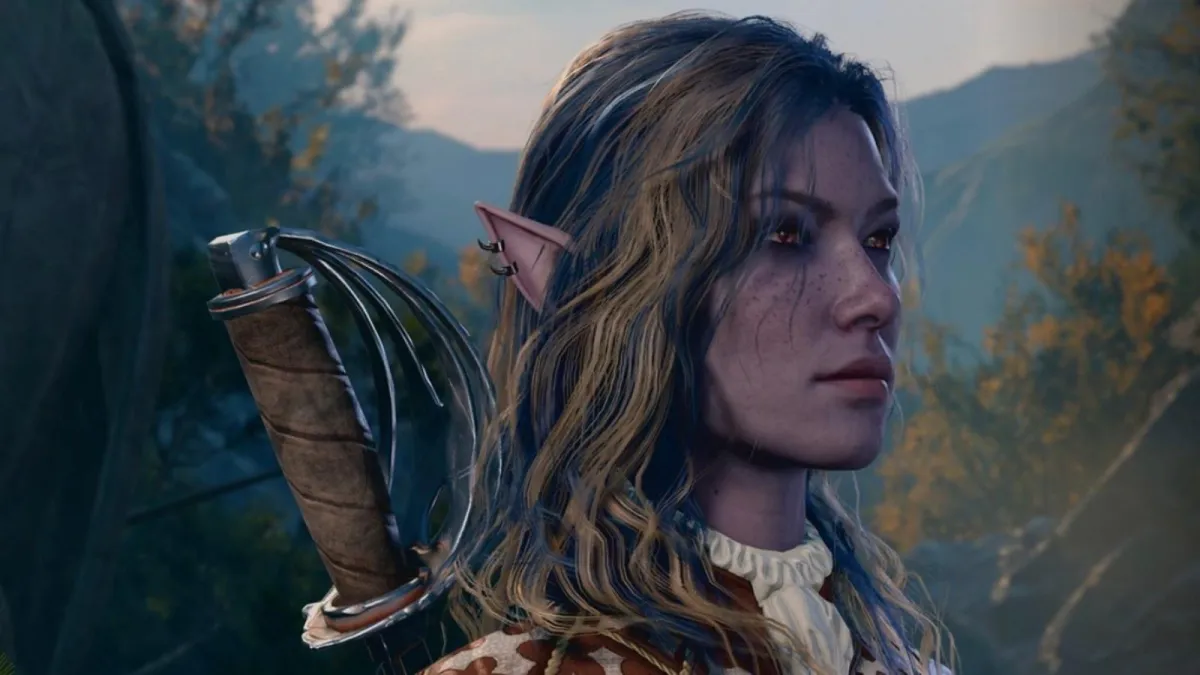 Photo: Baldur's Gate 3, via www.dexerto.com
The value proposition becomes even starker when considering replay value. A single-player game might occupy your attention for months, while live-service titles demand constant engagement and spending to remain relevant.
Regional and Demographic Disparities
Our analysis reveals concerning spending patterns across different player demographics. Younger players (ages 16-24) report average annual spending of $180 per live-service game, significantly higher than older demographics. This suggests these monetization systems disproportionately impact players with less developed financial decision-making skills.
Regional pricing adds another layer of complexity. While battle passes maintain consistent pricing across regions, cosmetic items often vary dramatically. European players frequently pay 20-30% more than their American counterparts for identical content.
The Industry's Defense
Publishers argue that live-service models provide ongoing value through regular content updates, community events, and evolving gameplay experiences. Epic Games points to Fortnite's massive content drops, celebrity collaborations, and technical innovations as justification for its monetization approach.
"We're not just selling a game; we're providing a living, breathing platform that evolves with our community," argues Tim Sweeney, Epic's CEO. "The investment reflects the ongoing development and server costs required to maintain these experiences."
 Photo: Tim Sweeney, via variety.com
This argument holds some merit. Live-service games do provide regular content updates that traditional releases cannot match. However, the cost-per-hour analysis still favors traditional purchases for most players.
Making Smarter Spending Decisions
For consumers looking to navigate this landscape more effectively, several strategies can help control spending:
Set Monthly Limits: Treat live-service spending like any other entertainment budget. Allocate a specific amount monthly and stick to it.
Track Cumulative Costs: Use banking apps or spreadsheets to monitor total spending per game. The numbers might surprise you.
Question Premium Currency: Convert all prices back to real dollars before purchasing. That "cheap" 500 V-Buck emote costs $5—is it worth it?
Evaluate Time Investment: If you're not playing a live-service game at least 10 hours per month, reconsider battle pass purchases.
The Road Ahead
As live-service games continue dominating the industry, these spending patterns will likely intensify. Microsoft's Game Pass and Sony's PlayStation Plus offer some relief by including battle pass content in premium tiers, but this simply shifts costs to subscription fees.
The fundamental question remains: are players getting fair value from these "free" experiences? For casual players who ignore monetization entirely, the answer is clearly yes. But for engaged fans who want to experience everything their favorite games offer, the hidden costs are becoming impossible to ignore.
The verdict: Know what you're really paying for before you commit to that next battle pass—your wallet will thank you.