The gaming economics have shifted dramatically. With AAA titles now routinely hitting $79.99 and Microsoft's Game Pass offering day-one access to major releases for $16.99 monthly, the traditional "buy everything you want" approach to gaming is becoming financially irresponsible. The question isn't whether a game looks good—it's whether that specific game justifies a full-price purchase in an era where subscription access is often smarter.
Using confirmed 2026 releases as our testing ground, we've developed a framework for making these decisions. Because let's be honest: subscription fatigue is real, but so is spending $960 annually on just twelve games at current AAA pricing.
The Ownership Test: What Actually Deserves Your $80?
The Replay Factor Formula
Some games are designed for single playthroughs, others become lifestyle choices. The Elder Scrolls VI, launching November 12 on Game Pass, represents the perfect case study. While it's available "free" with subscription, Bethesda RPGs traditionally offer 200+ hours of content with extensive mod support. That's entertainment value lasting years, not months.
Conversely, take the upcoming Cyberpunk 2078 (December 10, $79.99). CD Projekt RED's narrative-driven experiences are incredible but finite. Most players will complete the story, maybe tackle side content, then move on. That's prime Game Pass territory—experience the story without the long-term investment.
The Multiplayer Longevity Factor
Call of Duty: Future Warfare exemplifies the ownership dilemma. At $69.99, it's expensive but represents a year-long competitive gaming commitment for many players. The social aspect, ranked progression, and regular content updates create ongoing value that subscription models can't match if you're truly invested.
Meanwhile, single-player adventures like the upcoming Assassin's Creed: Rising Sun offer 40-60 hours of content but limited replay incentive. Perfect for a Game Pass month, terrible for full-price investment unless you're a franchise completionist.
Platform Politics: The Xbox Advantage
Microsoft's Day-One Strategy
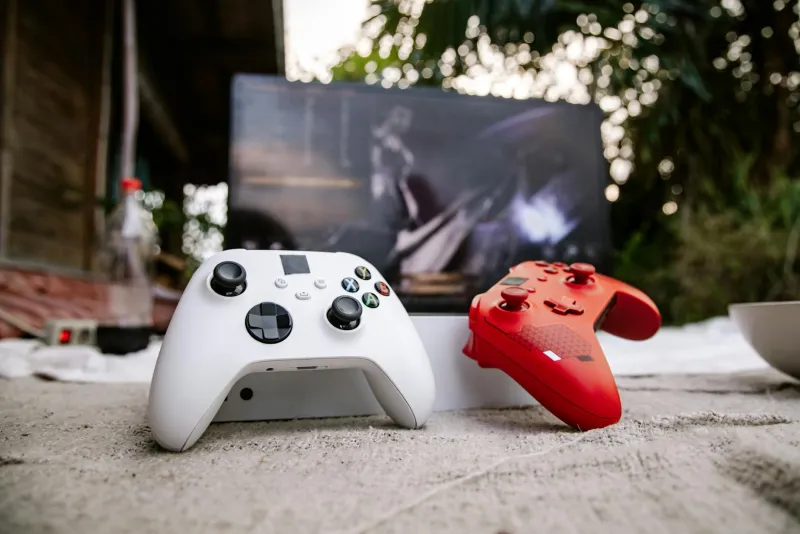
Xbox players face the easiest decisions. With first-party titles like Forza Motorsport 8, Gears 6, and The Elder Scrolls VI hitting Game Pass immediately, the subscription math becomes compelling. Three $80 games cost $240; Game Pass Ultimate runs $204 annually while providing access to hundreds of additional titles.
The catch? You're renting, not owning. If you cancel Game Pass, everything disappears. For games with long-term appeal—think Minecraft, Halo multiplayer, or Forza's car collecting—ownership might still make sense despite subscription availability.
PlayStation's Premium Problem
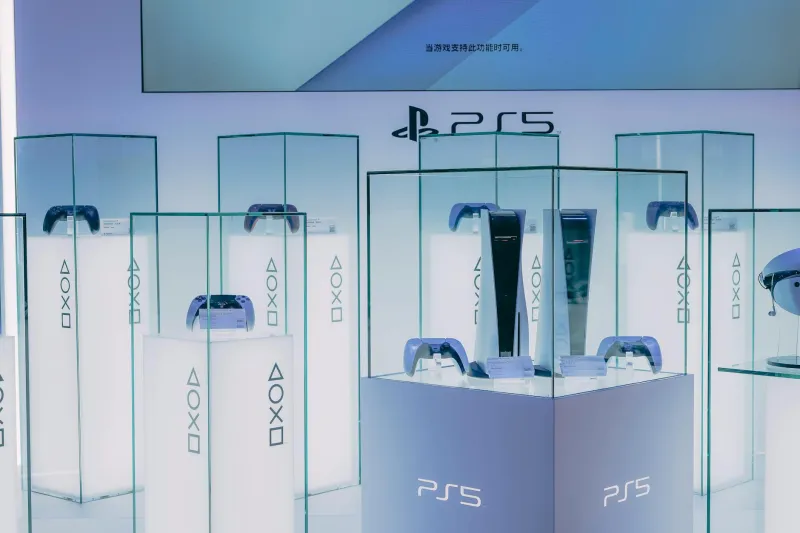
Sony's approach creates tougher decisions. Spider-Man 3, God of War Ragnarök's sequel, and other exclusives require full-price purchases with no subscription alternative. PlayStation Plus Premium offers older titles but rarely includes day-one releases, making it less relevant for 2026's biggest launches.
This puts PlayStation players in a bind: pay premium prices or miss major exclusives entirely. The recent $79.99 standard pricing for titles like Spider-Man 3 makes Game Pass look increasingly attractive, even for PlayStation fans considering platform switching.
Genre-Specific Spending Strategies
RPGs: Buy for the Long Haul
Massive RPGs like The Elder Scrolls VI, despite Game Pass availability, often justify ownership due to mod ecosystems and multi-year engagement. The ability to return years later without subscription concerns adds value beyond the initial playthrough.
Racing Games: Stream and Sample
Forza Motorsport 8 represents perfect Game Pass content—impressive but niche. Most players will enjoy a few weeks of racing before moving on. The subscription model lets you experience high-production racing without the specialized controller investments that serious players require.
Shooters: Depends on Commitment Level
Call of Duty: Future Warfare splits down commitment lines. Casual players should stream it; competitive players benefit from ownership's psychological investment and immediate access without subscription concerns during crucial gaming sessions.
The Hidden Costs Analysis
DLC and Season Pass Mathematics
Game Pass doesn't include DLC, creating additional spending beyond subscription costs. For games with extensive post-launch content like Cyberpunk 2078's confirmed expansion packs, you might end up paying $40-60 for add-ons anyway. Combined with subscription fees, you're approaching full game pricing without ownership benefits.
Internet Dependency Reality
Game Pass requires consistent internet for license verification, problematic for travel gaming or unreliable connections. Owned games offer offline peace of mind, especially valuable for single-player experiences during commutes or vacation gaming.
2026's Smart Shopping Strategy
Tier 1: Buy These Outright
- The Elder Scrolls VI (despite Game Pass availability, for mod longevity)
- Call of Duty: Future Warfare (if you're a competitive player)
- Any fighting games (for local multiplayer permanence)
- Grand Theft Auto VI (cultural moment + long-term replay value)
Tier 2: Perfect for Game Pass
- Cyberpunk 2078 (narrative-focused, limited replay)
- Assassin's Creed: Rising Sun (beautiful but finite)
- Most indie releases (sample risk-free)
- Experimental genres you might not enjoy
Tier 3: Wait for Sales
- Racing games (unless you're an enthusiast)
- Remasters and collections
- Anything launching in crowded windows
The Subscription Fatigue Factor
With Netflix, Spotify, Disney+, and now multiple gaming subscriptions, monthly fees add up quickly. Game Pass Ultimate's $16.99 monthly fee totals $203.88 annually—equivalent to 2.5 full-price games. If you're not actively playing 3+ included games monthly, ownership starts making financial sense.
The psychological aspect matters too. Subscription anxiety—feeling pressured to play games because you're paying monthly—can diminish gaming enjoyment. Sometimes owning fewer games you genuinely want beats accessing hundreds you feel obligated to try.
Making the Call in 2026
The gaming landscape rewards strategic thinking over impulse purchases. Game Pass works brilliantly for sampling and short-term experiences, but long-term gaming investments still favor ownership. The key is honest self-assessment: Are you a completionist who replays favorites, or someone who moves quickly between new experiences?
For most gamers, a hybrid approach works best: maintain Game Pass for discovery and short-term plays while purchasing the 2-3 annual releases that genuinely deserve permanent shelf space. Your wallet—and gaming backlog—will thank you for the discipline.
Smart money says treat Game Pass as a discovery tool and ownership as an investment in your long-term gaming identity.