Broken Clocks: Ranking 2026's Worst Publishers for Missing Their Own Release Dates

There's a ritual that plays out every few months in gaming. A publisher drops a slick cinematic trailer, a release date appears on screen — sometimes a specific day, sometimes a vague seasonal window — and the internet erupts. Social media lights up. Pre-orders open. Then, quietly, weeks or months later, a blog post appears. "To ensure the best experience for our players..." You know the rest.
In 2026, that ritual has become so familiar it barely registers as news anymore. Delays have gone from disappointment to expectation. But not all publishers are equally guilty, and not all delays are created equal. So we did the work: we tracked every major release date announcement made for 2026 titles and scored publishers on whether they actually showed up when they said they would.
The results are not flattering.
The Scoreboard: Who's Actually Hitting Their Dates?
Before we name names, let's establish the methodology. We looked at games that received a confirmed release date — not a window, not a fiscal quarter, an actual date — and tracked whether that date held. Games that slipped by fewer than two weeks were given a pass (platform certification and last-minute patching are real). Games that moved by a month or more, or that shifted from a specific date to a vague window after announcement, were marked as broken promises.
At the top of the reliability rankings sits a small cluster of mid-size studios and publishers who have largely kept their word in 2026 — typically because they don't announce dates until they're deep enough into development to be confident. It's a strategy that generates less hype but far more goodwill. The lesson is obvious. Most of the industry refuses to learn it.
At the bottom? The usual suspects. Large publishers operating multiple live-service titles simultaneously, studios managing platform-exclusive deals with multiple storefronts, and — perhaps most tellingly — any team that announced a 2026 date at a 2024 showcase. The further out a date is announced, the less it means.
Why Does This Keep Happening?
The systemic reasons behind chronic delays are well-documented, but 2026 has added a few new wrinkles to the old problems.
Crunch culture hasn't gone away — it's just gotten quieter. Following years of high-profile reporting on developer working conditions, studios have become more careful about what they say publicly. But the structural incentives that cause crunch haven't changed. Marketing timelines are still set by financial calendars and shareholder expectations, not by what's actually achievable in the studio. When those two realities collide, the date moves.
Live-service pivots are creating chaos in release planning. Several 2026 titles that were originally scoped as traditional single-player experiences have been retooled mid-development to include multiplayer components, seasonal content systems, or battle passes. Each of those pivots adds scope. Scope adds time. Time means the date you announced eighteen months ago is now a fantasy.
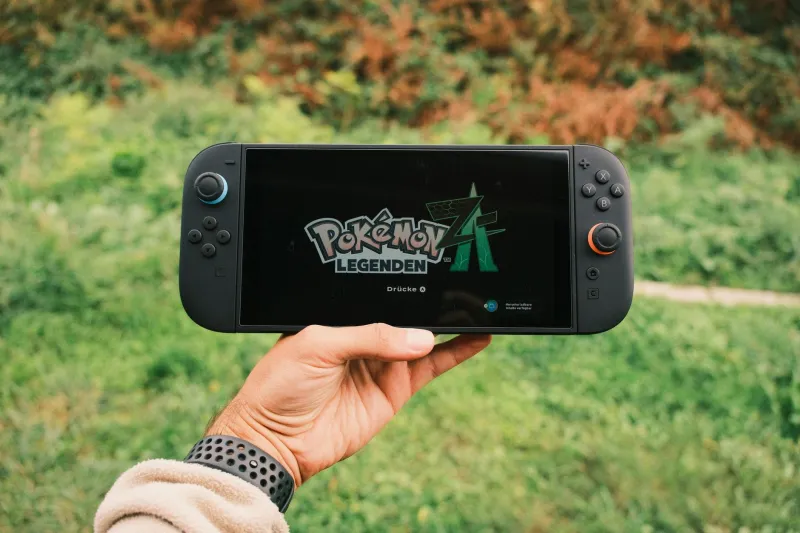
Platform porting has become a genuine bottleneck. The Nintendo Switch 2's launch earlier this year created a secondary porting pipeline that developers weren't fully prepared for. Games that were greenlit for the platform before its specs were finalized have hit unexpected optimization walls. Several high-profile 2026 titles quietly dropped their Switch 2 versions from day-one plans — a fact that often gets buried in the fine print of delay announcements.
PC requirements and storefront certification are getting more complex. Anti-cheat integration, platform-specific SDK requirements, and the growing fragmentation of PC storefronts (Steam, Epic, GOG, and now several publisher-owned launchers) all add friction to the final stages of development. What used to be a relatively straightforward submission process is now a multi-lane certification headache.
The 'Release Window' Problem
Perhaps the most cynical evolution in publisher communication is the mainstreaming of the "release window" announcement. A window — "Spring 2026," "Holiday 2026," "Q3" — is not a date. It's a range. It's a hedge. It's a way to generate coverage and social media engagement without actually committing to anything a legal team would consider binding.
The problem is that windows are now being used at stages of development where a real date should be available. A game that's three months from shipping should have a date. When it doesn't, that's a signal — not always, but often enough — that the team isn't confident in when it's actually going to be done.
Fans have started to notice. The community response to window announcements has shifted from excitement to skepticism. "Wake me up when there's an actual date" is now a common refrain in gaming communities, and it reflects a genuine erosion of trust that publishers have spent years building toward.
Should You Ever Trust a Release Date Again?
Here's the honest answer: it depends on who's announcing it and how far out they're announcing it.
Smaller studios with tight development pipelines and no live-service obligations tend to be more reliable. Publishers who historically wait until late in development to confirm dates — even if it means less marketing runway — earn their credibility the hard way. Pay attention to track records. If a studio has slipped every major release for the last three years, the next announced date deserves appropriate skepticism.
The broader structural fix isn't complicated to describe, even if it's hard to execute: stop announcing dates before you know what date it is. The pressure to generate coverage, to hit a quarterly earnings beat with a "confirmed release date" announcement, to stake out holiday real estate before the competition — all of it is understandable from a business perspective and corrosive from a trust perspective.
Until publishers feel real consequences for broken date promises — in pre-order cancellations, in community goodwill, in media coverage that holds them accountable rather than just reporting the delay neutrally — the incentive structure won't change.
The date on the trailer is a guess. It always was. In 2026, at least, we're all starting to admit it.
Bottom line: Until publishers start announcing dates they can actually keep, treat every launch window as a rough estimate and every specific date as tentative until you're about four weeks out — because the track record in 2026 makes anything else feel naive.