The gaming industry has officially entered the age of the shadow drop, and 2026 is proving to be the watershed moment for surprise releases. What started as an occasional marketing stunt has evolved into a legitimate strategy that's reshaping how publishers think about launch windows, consumer psychology, and cutting through an increasingly crowded marketplace.
The Numbers Don't Lie: Shadow Drops Are Everywhere
This year alone, we've witnessed an unprecedented wave of surprise launches across all platforms and budget tiers. Microsoft kicked things off in January with the shock announcement and immediate release of Fable Legends Reborn, dropping during a routine Developer Direct with zero prior marketing. Sony followed suit in March with Ghost of Tsushima: Legends Standalone, which appeared on PlayStation Store with just a 24-hour notice tweet.
The trend isn't limited to first-party exclusives. Third-party publishers have embraced the strategy with equal fervor. Devolver Digital's surprise launch of Hotline Miami 3 during Summer Game Fest caught even industry insiders off-guard, while Capcom's stealth release of Street Fighter 6: Arcade Edition proved that even established franchises can benefit from the element of surprise.
Independent developers have been particularly aggressive with shadow drops. Team Cherry finally released Hollow Knight: Silksong without warning in August, ending years of speculation with a simple "available now" trailer that broke the internet. The game generated more social media engagement in its first 24 hours than most AAA titles achieve across entire marketing campaigns.
Why Publishers Are Ditching Traditional Marketing
The shift toward shadow drops reflects fundamental changes in how consumers discover and purchase games in 2026. Traditional marketing cycles—with their months-long reveal-to-release windows—are increasingly seen as antiquated in an era of instant gratification and social media virality.
"The old model assumed you needed to build awareness over time," explains Sarah Chen, marketing director at Thunderful Games. "But in 2026, a single viral TikTok can generate more buzz than a six-month PR campaign. Shadow drops tap into that immediacy."
 Photo: Sarah Chen, via onecms-res.cloudinary.com
The strategy also addresses marketing fatigue among consumers. With major showcases happening monthly and hundreds of games competing for attention, publishers are finding that sustained campaigns often get lost in the noise. A well-executed shadow drop, by contrast, can dominate gaming conversations for days simply through its unexpected nature.
Financial considerations play a role too. Traditional marketing campaigns for AAA titles can cost $50-100 million, while shadow drops rely primarily on organic social media amplification and influencer coverage. For publishers operating on tighter margins, the math is increasingly attractive.
The Success Stories and Spectacular Failures
Not all shadow drops are created equal, and 2026 has provided clear examples of what works and what doesn't. The most successful surprise launches share common characteristics: they're from beloved franchises or developers, offer immediate gameplay satisfaction, and benefit from strong word-of-mouth potential.
Pizza Tower 2, which dropped unannounced during a Nintendo Indie World showcase, exemplifies the perfect shadow drop execution. The game leveraged nostalgia for its predecessor, delivered immediately accessible gameplay, and generated countless clips perfect for social media sharing. Sales exceeded expectations by 300% in its first week.
Conversely, EA's surprise launch of Battlefield 2026 backfired spectacularly. The shadow drop strategy couldn't mask fundamental gameplay issues, and the lack of traditional beta testing resulted in a broken launch that dominated gaming discourse for all the wrong reasons. The incident serves as a cautionary tale about using surprise releases to mask underlying problems.
Platform Holders Are All In
Microsoft has been the most aggressive in embracing shadow drops, with Xbox Game Pass providing the perfect vehicle for surprise releases. The subscription model removes price barriers that might otherwise make consumers hesitant about unvetted surprise purchases. Phil Spencer has publicly stated that shadow drops will be a "core pillar" of Xbox's 2027 strategy.
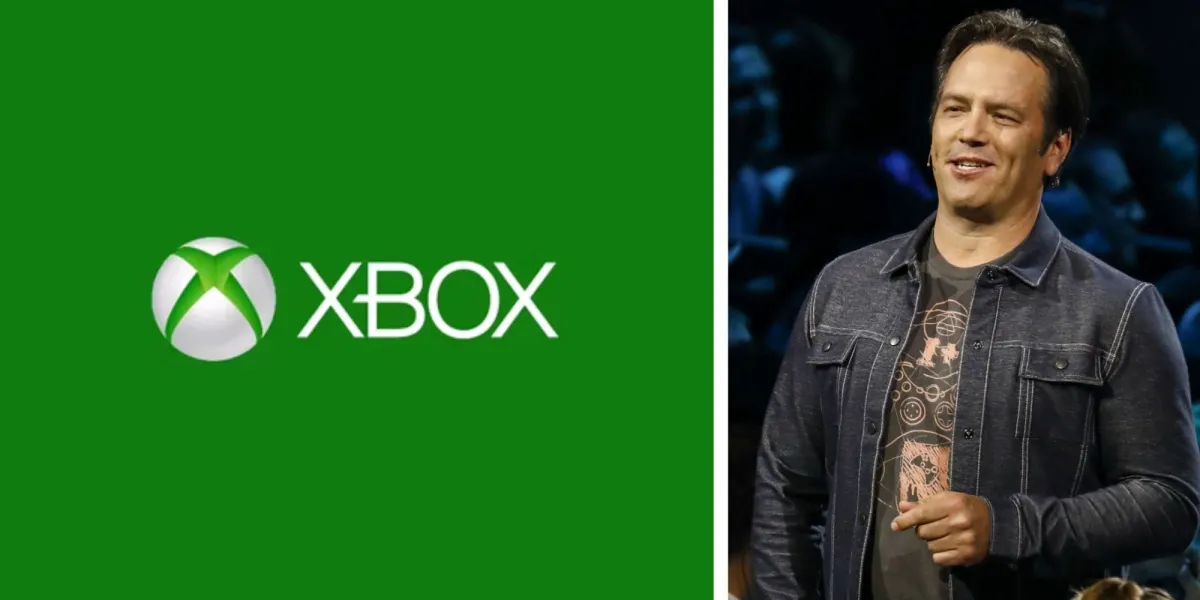 Photo: Phil Spencer, via static1.dualshockersimages.com
Sony initially resisted the trend but has gradually warmed to surprise releases, particularly for smaller-scale projects and DLC expansions. The company's shadow drop of The Last of Us Part III: Lost Days chapter in September demonstrated that even narrative-driven experiences can benefit from surprise launches.
Nintendo, characteristically, has taken a more measured approach. The company continues to rely heavily on Nintendo Direct presentations for major announcements but has experimented with shadow drops for indie titles and smaller first-party projects.
The Consumer Psychology of Instant Gratification
The success of shadow drops taps into fundamental changes in consumer behavior accelerated by streaming services and social media. Modern audiences, particularly Gen Z gamers, have been conditioned to expect immediate access to content. The traditional model of announcing games months or years before release increasingly feels at odds with contemporary consumption patterns.
"There's a dopamine hit that comes with being able to play something immediately after learning about it," notes Dr. Amanda Rodriguez, who studies gaming psychology at USC. "Shadow drops eliminate the frustration of waiting and capitalize on peak excitement levels."
The phenomenon also creates a sense of exclusivity and shared experience among gaming communities. Players who discover shadow drops early become evangelists, sharing their excitement and gameplay clips across social platforms in ways that traditional marketing campaigns struggle to replicate organically.
What This Means for the Future
As we head into 2027, shadow drops are likely to become even more prevalent, but with increased sophistication. Publishers are developing new metrics for measuring shadow drop success beyond traditional sales figures, focusing on social media engagement, streaming viewership, and viral coefficient.
The strategy isn't without risks. Shadow drops work best for certain types of games and can backfire if execution is poor. Additionally, the approach may lose effectiveness if overused, as the element of surprise becomes less surprising.
For consumers, the rise of shadow drops represents both opportunity and challenge. While surprise releases can provide delightful gaming discoveries, they also make it harder to plan purchases and budget for upcoming releases. The traditional gaming calendar, already disrupted by delays and shifting release dates, becomes even more unpredictable.
The Bottom Line
The shadow drop revolution of 2026 reflects broader changes in digital entertainment consumption and marketing effectiveness. Publishers who master this approach gain powerful tools for cutting through marketplace noise and generating organic buzz. However, success requires more than just surprise—it demands quality content that can capitalize on the initial excitement wave.
As the gaming industry continues to evolve, shadow drops represent one of the most significant shifts in how games reach audiences, and 2026 will be remembered as the year this strategy truly came of age.