The 2026 Remaster Treadmill: Are Publishers Selling You the Same Game for the Third Time?
Walk into any digital storefront this year and you'll find yourself drowning in remasters, definitive editions, and "complete" collections of games that launched just a few years ago. The remaster machine is running at full throttle in 2026, but the question every gamer should be asking isn't whether these titles look prettier – it's whether they're worth the premium price tag when you've already bought the same experience twice before.
The Price of Nostalgia
Let's start with the numbers that matter most to your wallet. The Last of Us Part I originally launched at $59.99 in 2013, got a remastered version for $49.99 in 2014, and now commands $69.99 for its latest PS5 iteration. That's three purchases totaling $178.97 for what is fundamentally the same 20-hour campaign. Meanwhile, Grand Theft Auto V has managed to extract $59.99 from players across three console generations, with each "enhanced" version adding just enough visual polish to justify another full-price purchase.
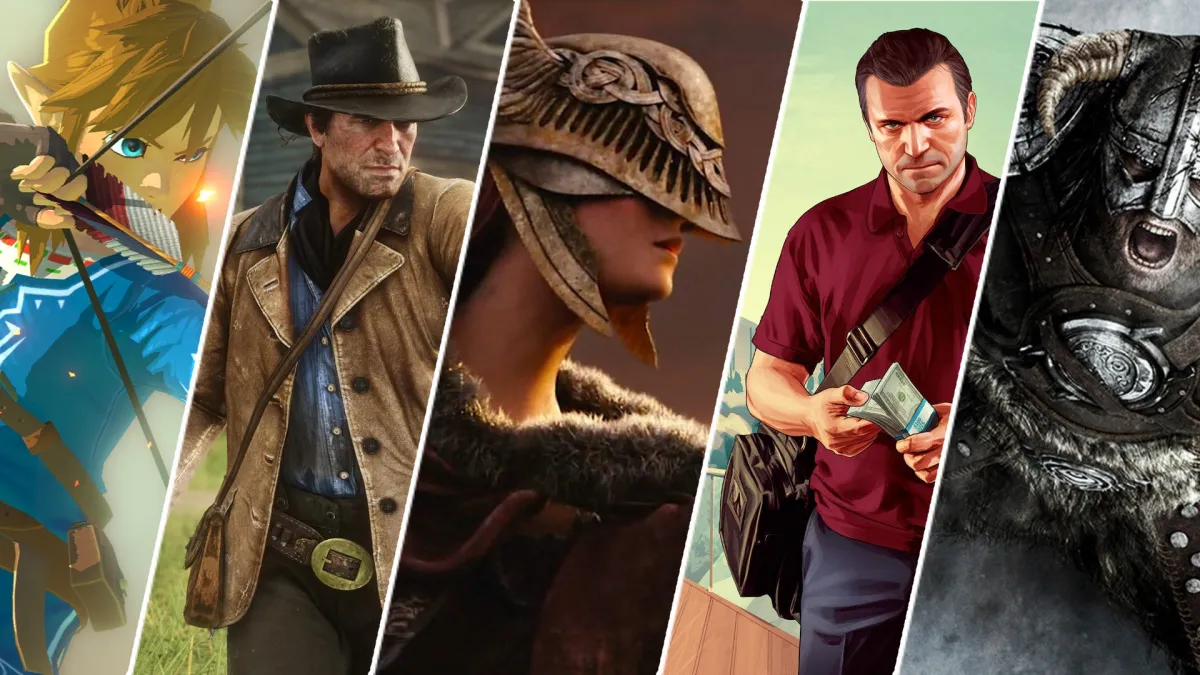 Photo: Grand Theft Auto V, via asset.vg247.com
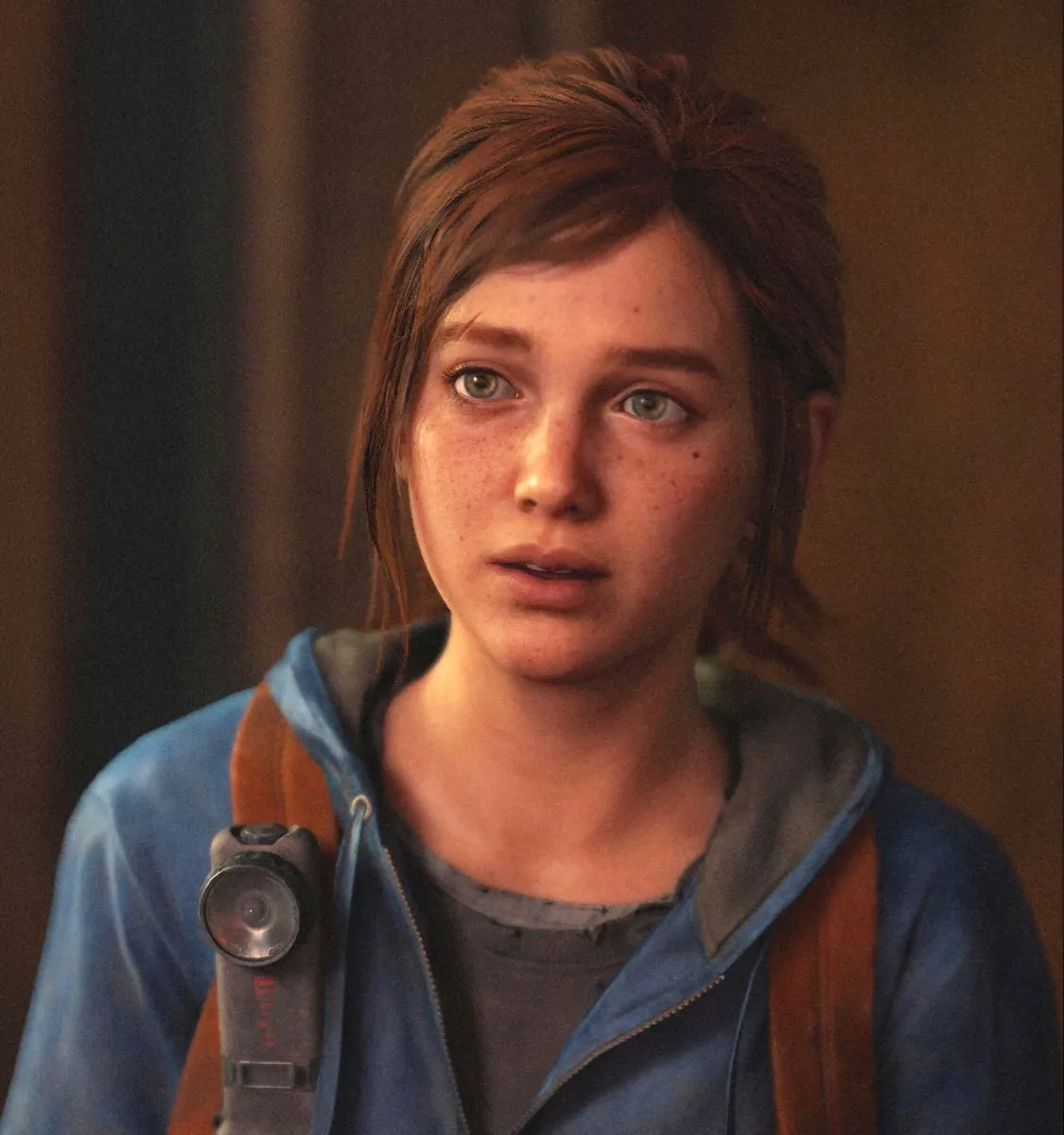 Photo: The Last of Us Part I, via i.pinimg.com
The pattern is clear: publishers have discovered that nostalgia is more profitable than innovation. Why invest $100 million developing a new IP when you can spend $10 million updating textures and charge 85% of the original launch price?
What Actually Justifies a Re-Purchase?
Not all remasters are created equal, and some 2026 releases genuinely earn their asking price. Persona 3 Reload represents the gold standard – a complete visual overhaul, modernized gameplay mechanics, and additional content that transforms the original experience rather than simply upscaling it. At $69.99, it's expensive, but the scope of changes makes it feel like a new game built on familiar bones.
Contrast that with Horizon Zero Dawn Remastered, which launched at $49.99 despite offering primarily visual enhancements to a game that already looked spectacular on PS4. The improvements are real – better lighting, enhanced textures, and smoother performance – but they're incremental rather than transformative. If you played the original to completion, you're essentially paying $50 to replay the same content with better shadows.
The Diminishing Returns Problem
The most troubling trend in 2026's remaster wave is how little value each subsequent re-release provides. Take Skyrim Anniversary Edition Plus – yes, that's really what Bethesda is calling their latest version. At $59.99, it includes all previous DLC, some Creation Club content, and enhanced visuals, but the core game remains unchanged from the 2011 original. This marks the fourth time Bethesda has asked players to buy the same adventure, and the improvements are barely noticeable unless you're running side-by-side comparisons.
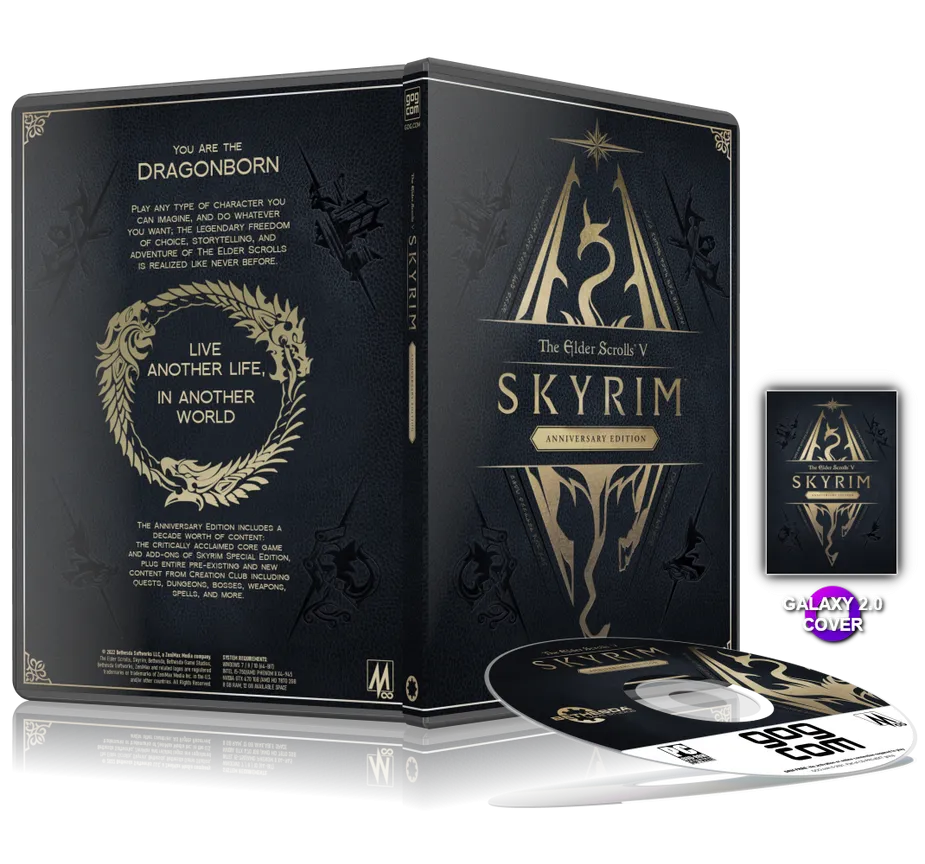 Photo: Skyrim Anniversary Edition Plus, via images-wixmp-ed30a86b8c4ca887773594c2.wixmp.com
The mathematics of remaster fatigue are stark: each new version delivers exponentially smaller improvements while maintaining premium pricing. The jump from PS3 to PS4 was revolutionary. PS4 to PS5? Noticeable but not essential. PS5 to PS5 Pro Enhanced Edition? You'll need a magnifying glass to spot the differences.
The Consumer Defense Strategy
Smart buyers in 2026 need to approach remasters with a simple cost-benefit analysis. If you've never played the original, remasters often represent excellent value – you're getting the definitive version with all DLC included. But if you've already experienced the story and gameplay, ask yourself: am I paying $50-70 for visual improvements I'll notice for the first hour before my brain adjusts?
The most consumer-friendly remasters this year offer free or heavily discounted upgrades for existing owners. Cyberpunk 2077: Ultimate Edition provides a $10 upgrade path for owners of the original, acknowledging that loyal customers shouldn't pay full price twice. More publishers need to follow this model instead of treating every re-release as a fresh revenue opportunity.
The Real Winners and Losers
Looking at 2026's remaster lineup, a few clear winners emerge. Metal Gear Solid Delta: Snake Eater completely rebuilds the PS2 classic with modern graphics while preserving the original's precise gameplay. Silent Hill 2 receives similar treatment, updating visuals without compromising the psychological horror that made it legendary.
The losers? Any remaster that charges full price for what amounts to a PC graphics settings adjustment. Call of Duty: Modern Warfare 2 Remastered Campaign Plus falls into this category – it's the same 6-hour campaign from 2009 with better textures and a $39.99 price tag. Unless you have serious nostalgia for that specific story, your money is better spent elsewhere.
The Platform Tax Problem
One of the most frustrating aspects of 2026's remaster economy is how platform exclusivity artificially inflates prices. Want to play The Last of Us Part I on PC? That'll be $69.99, despite the fact that the PS5 version regularly drops to $29.99 during sales. Publishers are essentially charging a "platform tax" for the privilege of playing on your preferred system.
This creates a perverse incentive structure where the most expensive version is often the one that required the least development effort. Porting existing console code to PC is significantly cheaper than building a game from scratch, yet publishers charge premium prices because they know PC players have limited alternatives.
What 2027 Holds
The remaster treadmill shows no signs of slowing down. Publishers have discovered that re-releasing existing content is a low-risk, high-reward strategy that generates steady revenue between major launches. Expect to see more "anniversary editions," "complete collections," and "definitive versions" in the coming year.
The key for consumers is developing immunity to marketing buzzwords. "Rebuilt from the ground up" rarely means what it claims, and "enhanced for next-gen" often translates to "we increased the resolution and frame rate." Read reviews, watch comparison videos, and remember that the original game you loved doesn't become worse just because a shinier version exists.
In a market flooded with remasters, the smartest move might be the hardest one: learning to say no to games you've already played, no matter how pretty the new screenshots look.