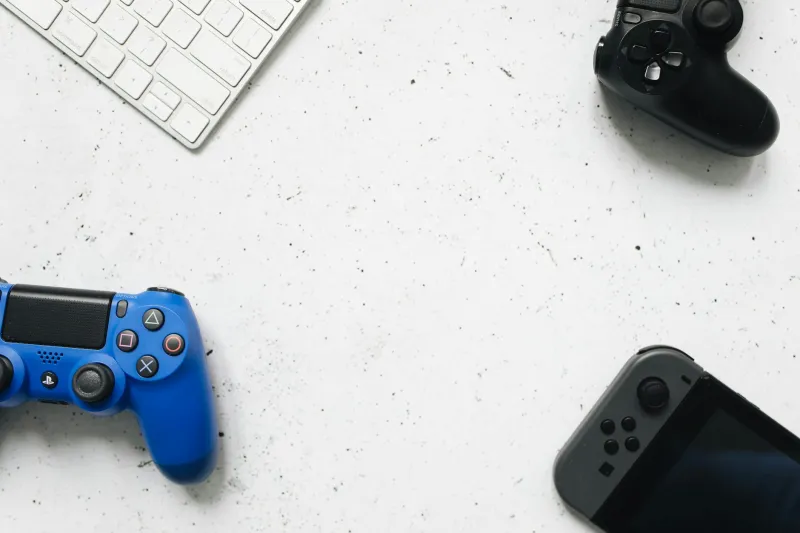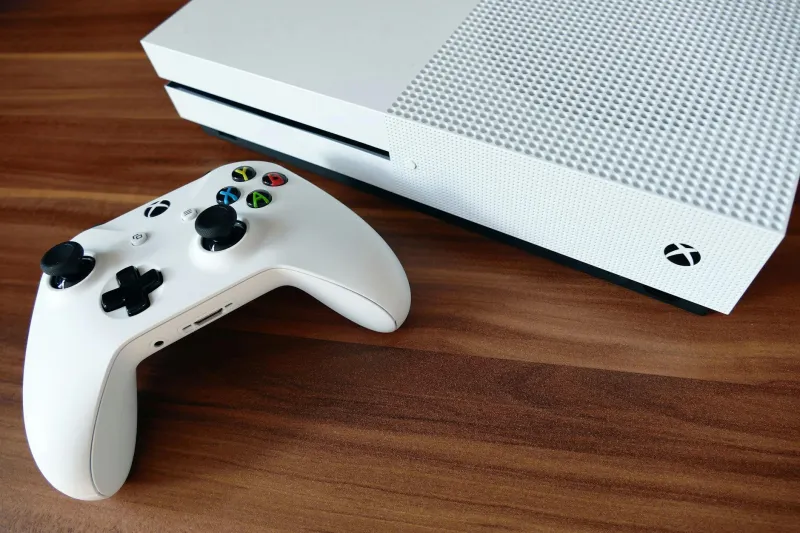
The console wars as we knew them are quietly ending. Not with a bang, but with a spreadsheet.
Across 2026, we're witnessing an unprecedented shift toward multiplatform releases that's reshaping the gaming landscape. Major titles that would have been locked to specific consoles just five years ago are now launching simultaneously on PlayStation, Xbox, and PC. This isn't just about a few high-profile defections — it's a fundamental change in how the industry operates, driven by economics that make exclusivity deals increasingly unsustainable.
The Numbers Don't Lie
The math behind this shift is brutal and simple. Development costs for AAA games have skyrocketed past $200 million for flagship titles, while console install bases have plateaued. When a publisher spends three years and a quarter-billion dollars creating the next big action-adventure epic, limiting it to PlayStation's 50 million active users versus reaching 150+ million across all platforms becomes a harder sell to shareholders.
Take the recent announcements around major 2026 releases. Titles that industry insiders expected to be PlayStation exclusives are launching day-one on Xbox and PC. Meanwhile, Xbox's own first-party strategy has openly embraced multiplatform releases, with several former exclusives confirmed for PlayStation launches within months of their Xbox debuts.
"The exclusivity premium publishers used to pay just isn't worth what it used to be," explains one industry analyst who requested anonymity. "Console makers are offering smaller upfront payments while demanding longer exclusivity windows. Publishers are doing the math and walking away."
Subscription Services Changed Everything
Game Pass and PlayStation Plus have inadvertently accelerated this trend. While these services were designed to lock users into specific ecosystems, they've also normalized the idea that games have value beyond their initial $70 purchase price. Publishers now view subscription inclusion as a marketing expense rather than lost revenue, making it easier to justify multiplatform strategies that maximize long-term player engagement.
The subscription model has also shifted how platform holders calculate the value of exclusives. Instead of driving console sales, exclusives now need to drive subscription sign-ups and retention. That's a different equation entirely, and one that often favors having your game available to as many potential subscribers as possible, regardless of which plastic box they own.
What This Means for Your Wallet
For American consumers facing down a brutal fall 2026 release schedule, this shift creates both opportunities and confusion. The good news: you're less likely to miss out on major releases based solely on your console choice. The potentially frustrating news: the traditional "just buy the console with the games you want" advice is becoming meaningless.
Instead, console choice in 2026 increasingly comes down to ecosystem preferences, subscription value, and technical performance. PlayStation 5 Pro owners get the best visual fidelity for most titles. Xbox Series X users get day-one Game Pass access to Microsoft's first-party lineup. PC players get the most customization options and often the best long-term support.
The Holdouts and What They're Worth
Not every publisher is embracing this multiplatform future. Nintendo remains committed to exclusivity, but their strategy relies on hardware innovation rather than just software differentiation. Sony's first-party studios are still producing genuine exclusives, though even these are increasingly finding their way to PC within 12-24 months.
The most interesting holdouts are mid-tier publishers who've secured exclusivity deals for 2026 releases. These games — often action RPGs, indie darlings, or niche genres — represent the last gasp of traditional console exclusivity. For gamers, they're increasingly the only reason to choose one platform over another.
Platform Holders Fight Back
Console manufacturers aren't taking this shift lying down. Sony has doubled down on first-party exclusives and is reportedly offering more aggressive terms to secure third-party deals. Microsoft has embraced the trend while positioning Xbox as the premium multiplatform experience through Game Pass and technical performance.
Both companies are also investing heavily in cloud gaming and mobile platforms, suggesting they see the writing on the wall. If games are going multiplatform anyway, the next battlefield might be about who provides the best way to access them, regardless of hardware.
The Road Ahead
Looking at the confirmed 2026 release slate, roughly 70% of major third-party titles are launching simultaneously across all platforms — up from about 45% in 2024. This trend shows no signs of slowing, particularly as development costs continue climbing and publishers seek maximum return on investment.
For consumers, this creates a new decision matrix. Console choice is becoming less about exclusive games and more about services, performance, and ecosystem lock-in. It's a more complex calculation, but potentially a more consumer-friendly one.
The console wars aren't ending — they're evolving into something entirely different, where the battle is for your time and subscription dollars rather than your exclusive loyalty.