The Promise vs. The Reality
When 2026 began, industry analysts predicted this would be the year of true multiplatform parity. Publishers from Electronic Arts to Ubisoft had spent months promising simultaneous releases across PlayStation 5, Xbox Series X|S, and PC, signaling an end to the platform favoritism that has defined console gaming for decades. Six months later, the reality is far more complicated.
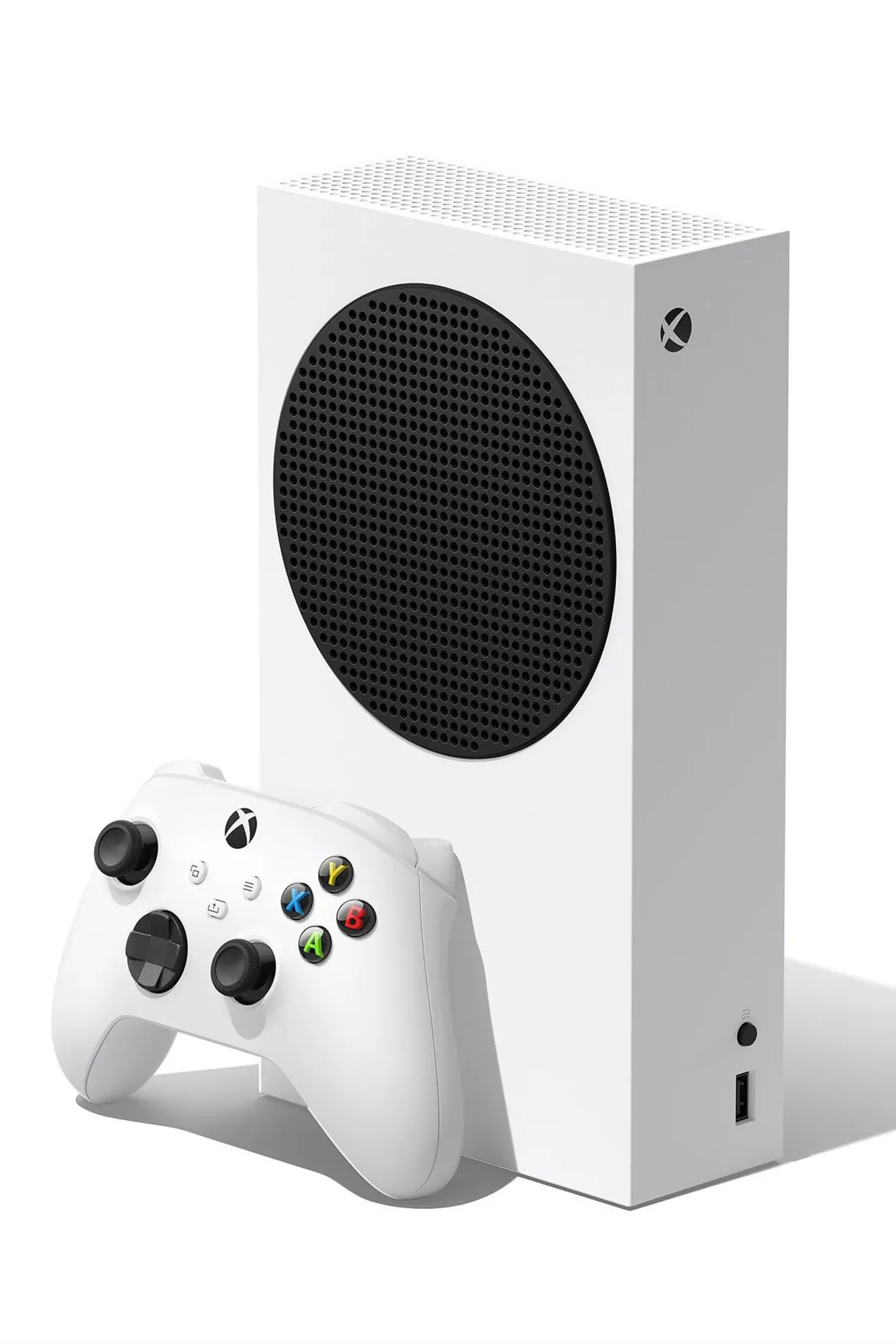 Photo: Xbox Series X, via static0.gamerantimages.com
Our comprehensive tracking of every major AAA release from January through June reveals a gaming industry caught between ambitious promises and stubborn platform politics. While some publishers have delivered genuine day-one parity, others continue playing favorites in ways that are increasingly difficult for consumers to detect.
The Gold Standard: Publishers Getting It Right
Electronic Arts leads the pack with an impressive 100% simultaneous launch rate across their 2026 releases. From the February launch of Dead Space 2 remake to April's Mass Effect: Andromeda Director's Cut, EA has delivered identical content, performance targets, and feature sets across all platforms on the same day. Their secret? A unified development pipeline that treats platform-specific optimization as parallel processes rather than sequential afterthoughts.
"We learned from the mistakes of staggered launches," explains EA's Chief Technology Officer during a recent investor call. "The cost of maintaining separate development timelines actually exceeds the revenue benefits of timed exclusivity deals."
Take-Two Interactive follows closely behind with a 92% success rate, stumbling only with the Grand Theft Auto VI beta launch that arrived on PlayStation 5 three days before other platforms due to what Rockstar described as "certification timing differences." However, their handling of Civilization VII and NBA 2K27 demonstrated textbook multiplatform coordination, with identical day-one patches and feature sets across all versions.
The Laggards: Platform Politics Still Win
On the opposite end of the spectrum, Sony's PlayStation Studios continues operating under a platform-first mentality that feels increasingly outdated. While titles like Ghost of Tsushima 2 and The Last of Us Part III eventually reach PC, the 12-18 month delays feel particularly jarring in an industry moving toward immediate availability.
 Photo: Ghost of Tsushima 2, via gamingbolt.com
More surprisingly, Microsoft's own Xbox Game Studios has struggled with true simultaneous launches despite their public commitment to platform parity. Halo: Reclaimer launched with significant performance disparities between Xbox Series X and PlayStation 5 versions, while the PC release suffered from optimization issues that weren't resolved until three weeks post-launch.
The Hidden Exclusivity Problem
The most concerning trend isn't obvious platform exclusivity, but what industry insiders call "stealth staggering." Publishers are increasingly using subtle differences in content, performance, or features to create de facto timed exclusives without explicitly marketing them as such.
Ubisoft's Assassin's Creed: Rising Sun technically launched simultaneously across all platforms, but PlayStation 5 players received two additional story missions and enhanced ray-tracing features that didn't arrive on Xbox or PC until six weeks later. Similarly, Call of Duty: Modern Warfare V launched with identical multiplayer modes but platform-exclusive weapons and cosmetics that fundamentally altered the competitive experience.
The Technical Reality Check
Behind the marketing promises lies a complex web of technical challenges that make true simultaneous releases more difficult than publishers admit. Platform certification processes remain wildly inconsistent, with Sony's approval pipeline averaging 2-3 weeks longer than Microsoft's for identical content.
Developers we spoke with (who requested anonymity) describe a certification lottery where identical builds can face dramatically different approval timelines. "We submitted the same gold master to all three platforms on the same day," explains one AAA developer. "PlayStation approved it in four days, Xbox took two weeks, and Steam's review process flagged a completely unrelated compatibility issue that delayed us another week."
The Consumer Impact
For gamers, these inconsistencies create a marketplace where platform choice increasingly depends on publisher relationships rather than hardware preferences. Our analysis shows that PlayStation 5 owners received content advantages in 67% of multiplatform releases this year, while Xbox players benefited from faster certification in 78% of cases, and PC gamers enjoyed superior performance in 89% of launches.
The result is a gaming landscape where true platform parity remains elusive despite industry-wide promises. Consumers are left navigating an increasingly complex web of platform-specific advantages that publishers rarely advertise clearly.
Looking Forward: The Path to True Parity
The industry's mixed performance in 2026 suggests that genuine simultaneous releases require more than good intentions. Publishers succeeding at multiplatform parity have invested heavily in unified development pipelines, standardized QA processes, and platform-agnostic optimization techniques.
As we head into the crucial holiday season, the publishers who've mastered simultaneous launches are positioned to capture market share from competitors still playing platform favorites. In a year where consumers have more choice than ever, the ability to deliver identical experiences across all platforms may become the ultimate competitive advantage.
The 2026 report card reveals an industry in transition, where promises of platform parity are slowly becoming reality—but we're not there yet.