The Stakes Have Never Been Higher
The fourth quarter of 2026 is looking like a bloodbath. With at least eight major AAA releases currently scheduled between October and December, the gaming industry is heading toward the most congested holiday season in recent memory. Publishers are playing a high-stakes game of chicken, betting their multi-million dollar investments on the assumption that their competitors will flinch first.
Historically, when major releases collide during the holiday window, nobody wins. The infamous October 2016 clash between Battlefield 1 and Call of Duty: Infinite Warfare saw both titles underperform initial projections, despite strong individual sales. More recently, the November 2023 pile-up that included Spider-Man 2, Call of Duty: Modern Warfare III, and Super Mario Bros. Wonder created a consumer choice paralysis that hurt everyone involved.
Now, with household budgets tighter than ever and gaming's premium price point hitting $79.99 as the new standard, the margin for error has shrunk considerably. American families aren't buying multiple $80 games in a single month like they might have with $60 titles just a few years ago.
The Contenders and Their Odds
Grand Theft Auto VI (October 2026) - Odds of Moving: 5%
Rockstar Games has already delayed GTA VI twice, and Take-Two Interactive's shareholders won't tolerate another shift. This is the 800-pound gorilla that everyone else is dancing around. With pre-orders reportedly exceeding 10 million units globally, Rockstar has the luxury of knowing their audience will show up regardless of competition. They're not moving.
Call of Duty: Black Ops Gulf War (November 2026) - Odds of Moving: 15%
Activision's annual franchise has never missed a November launch window since 2005, but this year feels different. With GTA VI launching just weeks earlier, even Call of Duty might struggle for attention. However, Microsoft's Game Pass integration gives them a safety net that other publishers lack. The real question isn't whether they'll move, but whether they can afford not to.
Assassin's Creed: Rising Sun (November 2026) - Odds of Moving: 70%
Ubisoft is in the most precarious position. Their Japan-set AC title was already pushed from spring to holiday 2026, and early gameplay footage has received mixed reactions. With Ghost of Tsushima 2 launching in September and stealing some thunder, Ubisoft might be wise to retreat to early 2027. They've shown willingness to delay before, and their recent financial struggles make a safe launch more important than a profitable quarter.
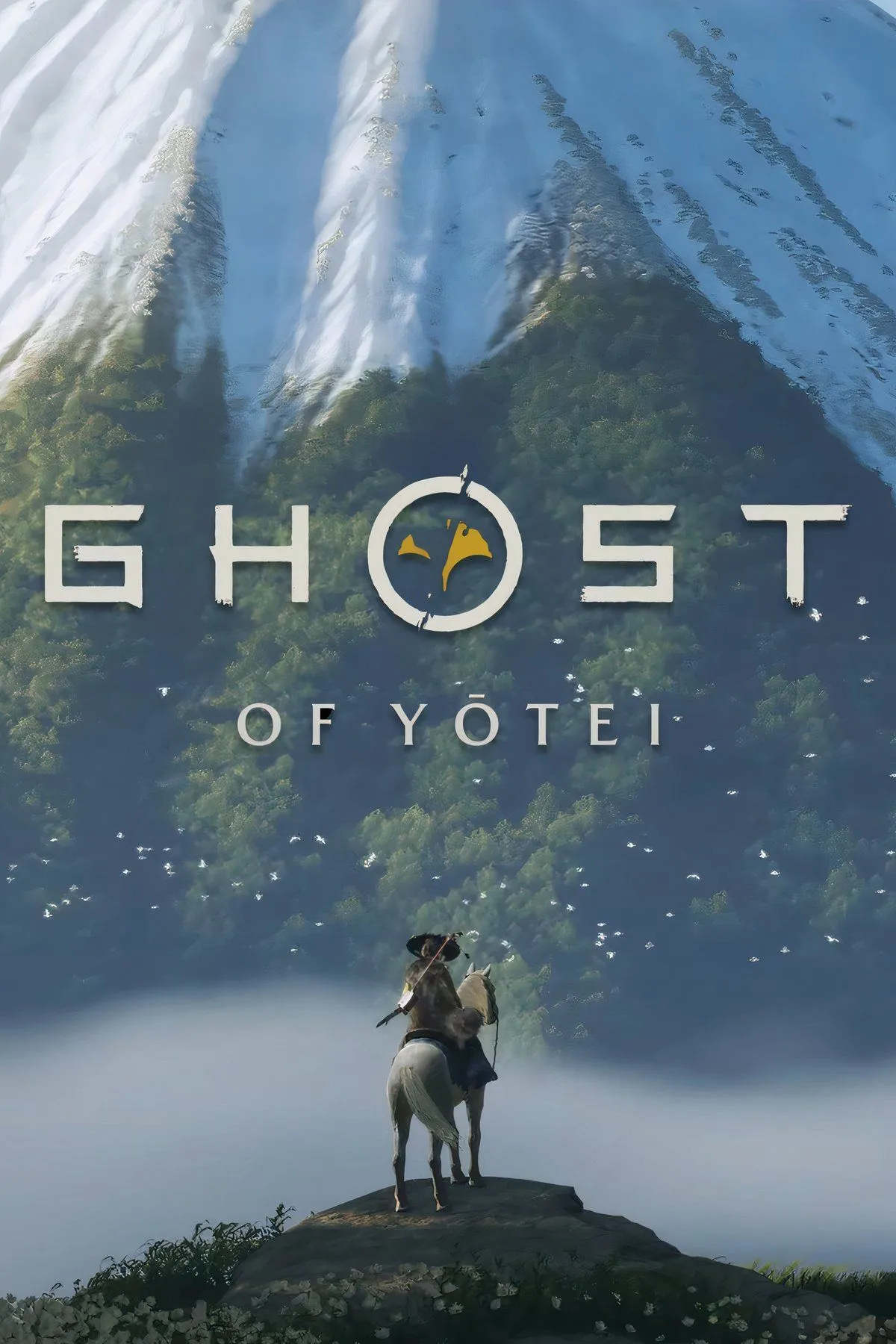 Photo: Ghost of Tsushima 2, via static0.gamerantimages.com
Halo: Infinity War (December 2026) - Odds of Moving: 45%
343 Industries desperately needs a win after the lukewarm reception to Halo Infinite's later seasons. Launching against GTA VI and Call of Duty seems like corporate suicide, but Microsoft might be banking on Game Pass subscribers trying it "for free" while they wait for holiday discounts on the competition. Still, a February 2027 launch window would give them a cleaner shot at success.
The Historical Precedent
Looking at past holiday collisions reveals a clear pattern: the biggest franchise usually survives, but everyone else suffers. When Red Dead Redemption 2 launched in October 2018 alongside Assassin's Creed Odyssey and Call of Duty: Black Ops 4, Rockstar's western epic dominated mindshare and wallet share. Both competing titles performed below expectations despite being quality games.
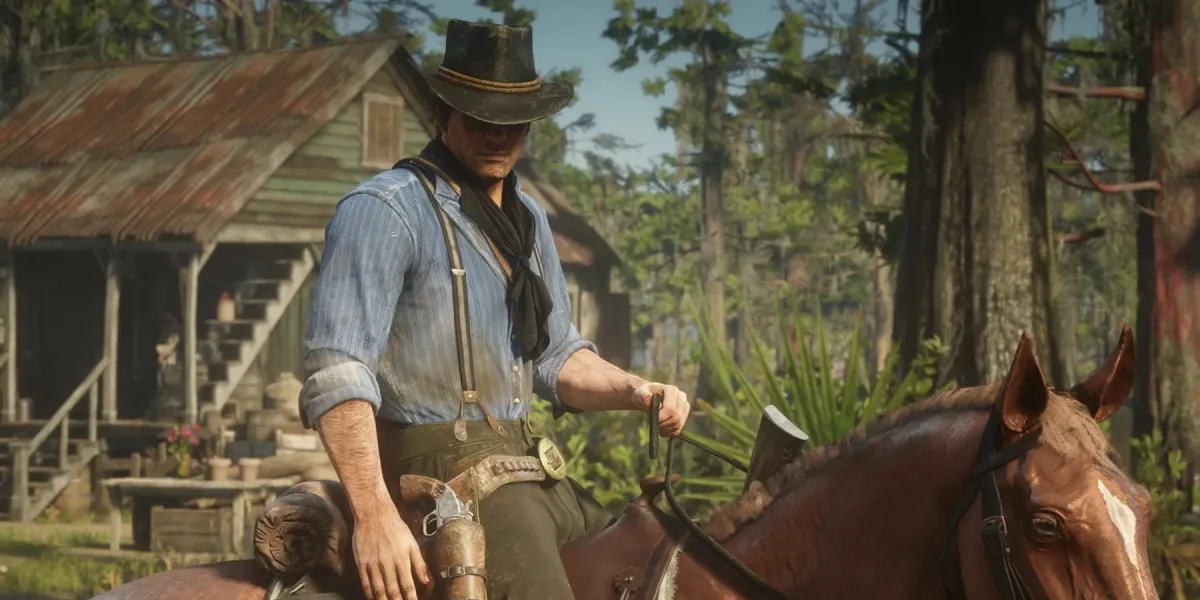 Photo: Red Dead Redemption 2, via static0.gamerantimages.com
The data is even more stark when you examine digital sales patterns. PlayStation and Xbox store analytics from previous crowded holiday windows show that consumers typically purchase one major title at full price, then wait for sales on everything else. With the average American gaming household spending approximately $400 on games during the holiday season, there's simply not enough pie to go around.
The Domino Effect Begins
Industry insiders suggest the first major move could trigger a cascade of date changes. If Ubisoft blinks and moves Assassin's Creed to 2027, it might give other publishers the cover they need to make similar decisions. Conversely, if everyone holds their ground, we could see an unprecedented marketing war that makes the console wars look like a friendly disagreement.
The wild card is Nintendo, which has remained conspicuously quiet about their holiday 2026 plans. A surprise announcement of a major first-party title could completely reshape the battlefield, forcing everyone else to reconsider their positioning.
What This Means for Gamers
For consumers, this standoff represents both opportunity and frustration. If publishers stick to their guns, the holiday season will offer an embarrassment of riches for gaming content. However, it also means difficult choices and likely disappointment as favorite titles get overshadowed by bigger marketing budgets.
The smart money suggests we'll see at least two major delays announced before September ends, as publishers run final market research and realize the math doesn't add up. The question isn't whether someone will blink — it's who has the courage to admit they're not ready for this particular fight.
In the end, the publishers who survive Q4 2026 intact won't be the ones with the best games, but the ones who chose their battles wisely.