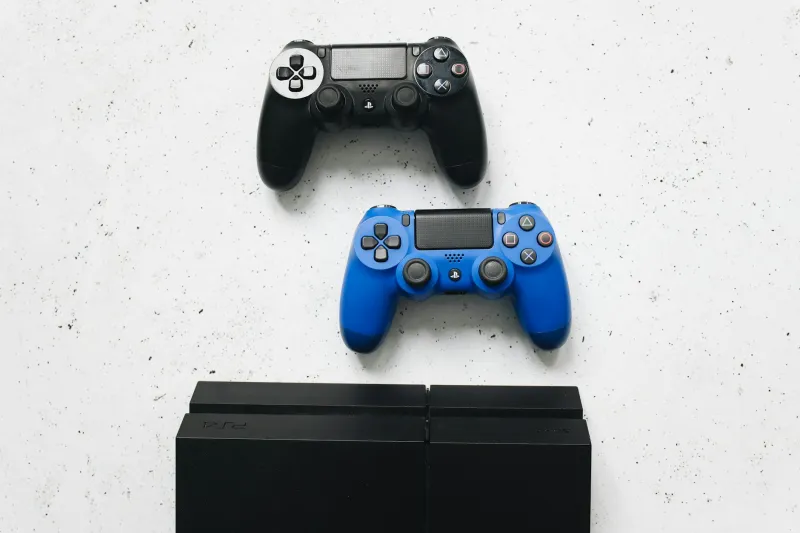
The writing was on the wall, but nobody expected it to happen this fast. Throughout 2026, major publishers have been quietly axing PlayStation 4 and Xbox One versions of their biggest releases, often with minimal fanfare and even less explanation to the millions of players still gaming on last-gen hardware. What started as isolated incidents has become a full-scale exodus, leaving a trail of confused customers and broken promises in its wake.
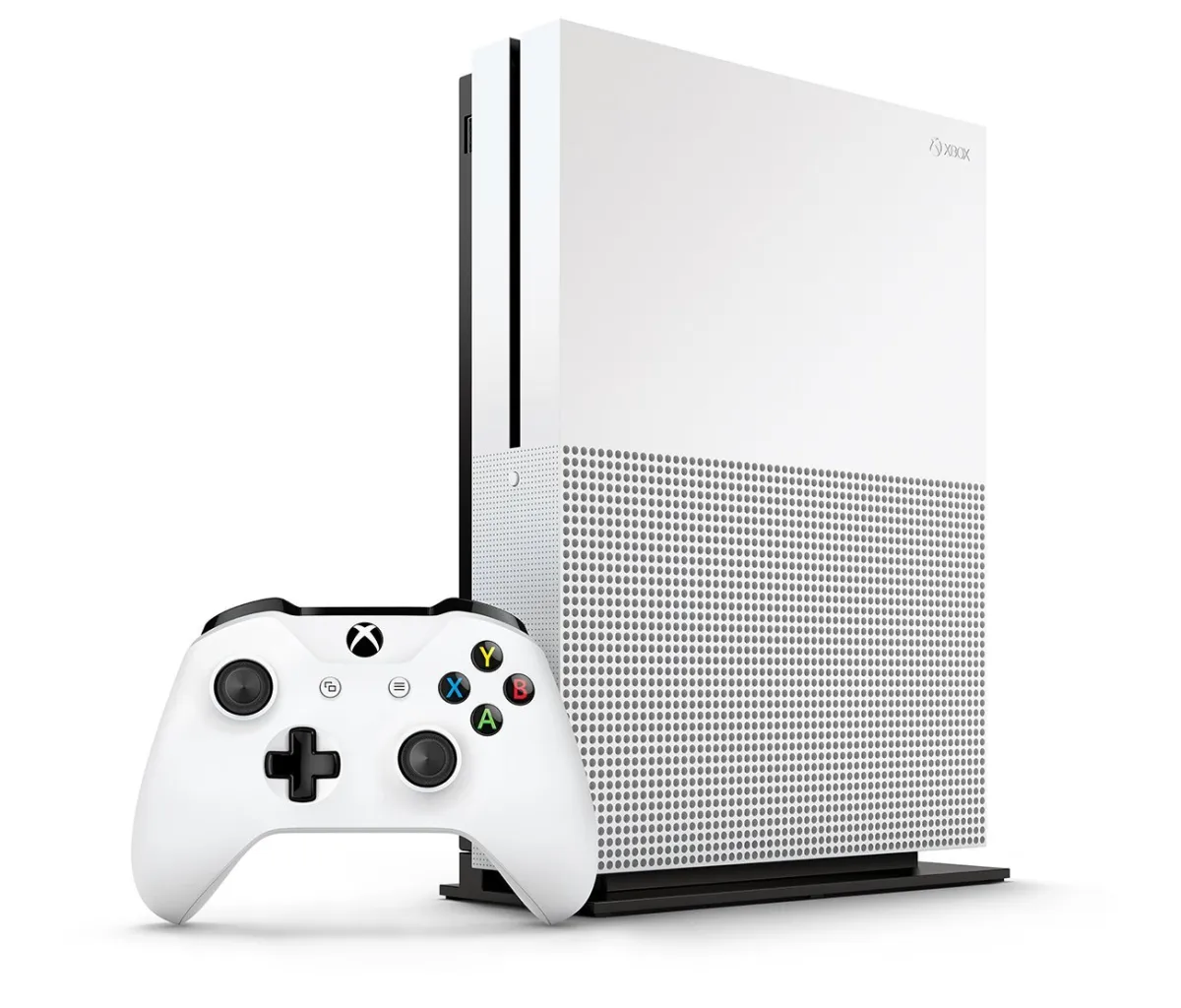 Photo: Xbox One, via www.legitreviews.com
The most shocking casualty came in July when Activision unceremoniously announced that Call of Duty: Modern Warfare 4 would skip PS4 and Xbox One entirely, despite earlier promotional materials suggesting cross-gen availability. The publisher cited "technical limitations" in a brief blog post, but industry insiders point to a different motivation: the ballooning costs of maintaining feature parity across five different console SKUs.
The Numbers Don't Lie
According to our investigation, at least 23 major releases originally announced as cross-gen have either canceled their last-gen versions or shipped them in severely compromised states. The trend accelerated dramatically after Q2 2026, when several high-profile disasters highlighted the challenges of spanning hardware generations.
Take-Two's Grand Theft Auto VI expansion, initially promised for "all current PlayStation and Xbox consoles," quietly dropped PS4 and Xbox One support three months before launch. The publisher's earnings call revealed the brutal math: last-gen versions required 40% additional development time while representing only 18% of projected sales.
EA took a different approach with their sports franchises, shipping last-gen versions that were essentially roster updates of 2025 releases. FIFA 27 on PS4 lacks the new physics engine, stadium atmosphere system, and career mode overhaul that define the next-gen experience. It's technically the same game, but players aren't fooled.
The Communication Crisis
What's most damaging isn't the cancellations themselves—it's how publishers have handled them. Sony's first-party studios have been the most transparent, with clear cutoff dates announced well in advance. But third-party publishers have stumbled badly, often burying crucial information in fine print or waiting until weeks before launch to reveal missing features.
Ubisoft faced the biggest backlash when Assassin's Creed Shadows launched without the promised PS4 version, despite pre-orders being available for months. The company offered full refunds but couldn't undo the damage to customer trust. Social media lit up with frustrated players who felt deliberately misled.
"The industry keeps talking about 'generations' like they're clean breaks, but millions of us are still on PS4," says gaming analyst Sarah Chen. "Publishers need to stop pretending they can serve everyone when they've clearly made the business decision to move on."
The Technical Reality
Developers we spoke with paint a picture of impossible compromises. Modern game engines are increasingly built around NVMe storage speeds, 16GB of unified memory, and ray-tracing capabilities that simply don't exist on 2013 hardware. Creating last-gen versions isn't just about lowering texture quality—it often requires rebuilding core systems from scratch.
"We spent eight months trying to make our streaming system work on mechanical hard drives," explains one anonymous developer working on a major 2026 release. "Eventually we had to choose: ship a broken version or focus our resources on the platforms where players are actually buying the game."
The data supports this harsh calculus. According to NPD tracking, PS5 and Xbox Series X|S now account for 78% of console game sales, despite last-gen consoles still representing 45% of the active install base. Players are upgrading for new releases, not playing them on old hardware.
The Definitive Scorecard
After extensive research, here's where every major 2026 release stands on cross-gen support:
Next-Gen Exclusive (Never Promised Last-Gen):
- Marvel's Spider-Man 3
- Halo: Infinite 2
- Ratchet & Clank: Rift Apart 2
- Demon's Souls 2
Cross-Gen Success Stories:
- Madden NFL 27 (feature parity maintained)
- Minecraft Legends 2 (scaled appropriately)
- Rocket League 2 (built for scalability)
Abandoned Last-Gen Versions:
- Call of Duty: Modern Warfare 4
- Grand Theft Auto VI: Liberty City
- Assassin's Creed Shadows
- Battlefield 2027
- The Elder Scrolls VI
Compromised Last-Gen Releases:
- FIFA 27 (missing major features)
- NBA 2K27 (30fps cap, reduced modes)
- Destiny 3 (no ray tracing, limited player counts)
What This Means for Players
The message is clear: 2026 is the year the industry finally pulled the plug on the PS4 and Xbox One era. While some publishers handled the transition gracefully, others burned bridges with poor communication and last-minute changes.
For the estimated 60 million players still on last-gen hardware, the choice is increasingly stark: upgrade or get left behind. The cross-gen period that began in 2020 is officially ending, not with a bang but with a series of quiet blog posts and fine-print disclaimers.
The most frustrating part? This was entirely predictable, yet somehow still caught everyone off guard.